
Are you tired of your hiking shoes falling apart after just a few treks into the wild? Picture this: you’re halfway up a steep, rocky trail, and suddenly, the sole of your shoe decides to part ways with the rest of the footwear. Frustrating, right? If you’re nodding your head in solidarity, it’s time to hit the brakes and dive into the world of durable hiking shoes.
But what makes a hiking shoe durable? Why is durability crucial for your hiking adventures? In this blog, we’ll unravel the secrets behind choosing the right hiking shoes that can withstand the roughest terrains and keep you comfortably exploring the great outdoors. From rugged trail runners to waterproof boots, we’ll explore the factors that spell the difference between a shoe that lasts and one that falls apart mid-hike.
Stay tuned as we walk you through the essential features, key tips on maintenance, and recommendations to help you find the perfect pair of hiking shoes that won’t let you down when you need them the most. Let’s ensure your next hiking experience is all about the joy of the journey, not the worry of worn-out shoes.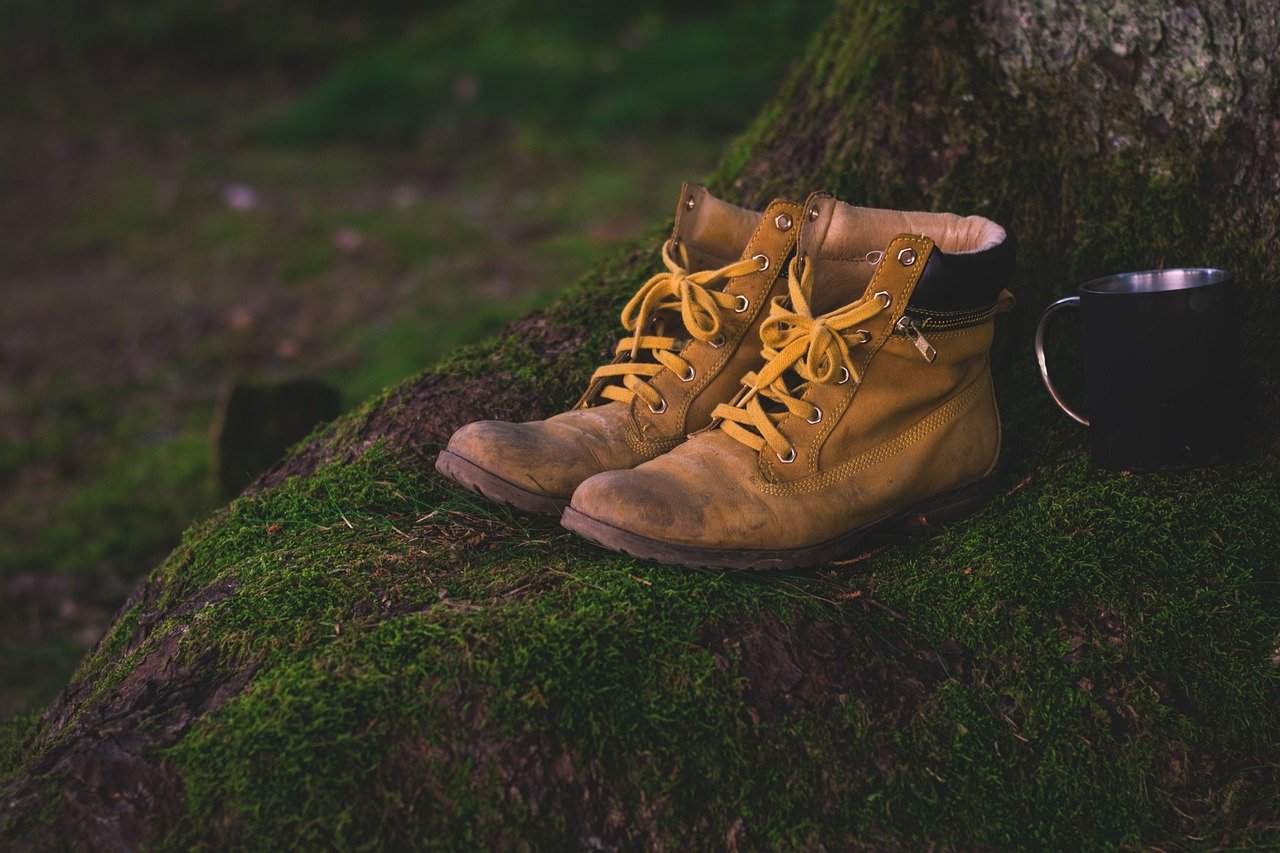
Introduction
Choosing the right hiking shoes is a crucial step in ensuring a comfortable and enjoyable outdoor experience. One of the most important factors to consider when selecting hiking footwear is durability. Durable walking shoes are designed to withstand the rigors of the trails, providing long-lasting performance and protection.
But why is durability so significant? Well, durable shoes can make all the difference in terms of comfort, support, and overall performance on the trails. When you invest in high-quality, long-lasting hiking shoes, you can feel confident that they will withstand the challenges of rough terrain, inclement weather, and strenuous hikes.
Not only do durable hiking shoes enhance your outdoor experience by providing stability and protection for your feet, but they also offer peace of mind. With durable footwear, you can focus on the beauty of nature and the thrill of the adventure, knowing that your shoes can handle whatever the trail throws at them.
In the following sections, we will explore different forms of durable hiking footwear, essential factors to consider when choosing durable shoes, and expert tips for maintaining their durability. So, let’s dive in and discover the world of durable walking shoes that will elevate your hiking adventures to new heights.
Durable Hiking Footwear in 3 Different Forms
When it comes to durable hiking footwear, there are three main forms to consider: hiking boots, trail runners, and hybrids. Each type has its own unique features and benefits, catering to different hiking preferences and terrains. Let’s take a closer look at each form:
1. Hiking Boots
Hiking boots are the traditional choice for outdoor enthusiasts seeking maximum support and protection. Designed with sturdy uppers and thick soles, they excel in rough terrains and offer excellent ankle support. Hiking boots are the go-to option for longer hikes, backpacking trips, and treks in varied conditions. Their durability lies in the robust construction and high-quality materials that can withstand challenging environments.
2. Trail Runners
Trail runners offer a lighter and more flexible alternative to hiking boots. These shoes are designed for speed and agility on the trails. With a lower profile and more breathable uppers, trail runners are ideal for shorter-distance runs and hikes. They provide excellent traction and responsiveness, allowing hikers to move quickly and comfortably. Trail runners are a popular choice for those who prioritize a lightweight and nimble feel while still seeking durability.
3. Hybrids
Hybrid hiking footwear combines features of hiking boots and trail runners, offering versatility and adaptability. These shoes provide the durability and ankle support of boots, combined with the lightweight and flexibility of trail runners. Hybrids are suitable for hikers who want a balance between protection and agility. They are great for day hikes, moderate terrains, and those who prefer a hybrid approach to hiking footwear.
Remember, when considering the durability of hiking footwear, it’s essential to choose a form that matches your hiking style, terrain, and personal preferences. Each form has its strengths and is designed to excel in specific conditions. By understanding the different forms available, you can make an informed decision and find the perfect durable hiking footwear for your outdoor adventures.
 Factors to Consider When Choosing Durable Hiking Shoes
Selecting the right pair of hiking shoes is crucial for both comfort and durability on the trails. When it comes to finding hiking shoes that can withstand the rigors of your outdoor adventures, there are several important factors to consider:
1. The Right Shoe Size
Ensuring a proper fit is essential for hiking shoes. Too tight or too loose shoes can lead to discomfort and blisters. Take the time to measure your feet, and consider trying on different sizes and widths to find the perfect fit. Remember to account for any specific foot conditions or the need for additional arch support.
2. Waterproofing
When venturing into wet or rainy environments, having waterproof hiking shoes can significantly enhance your outdoor experience. Look for shoes with reliable waterproofing technologies, such as Gore-Tex, that keep your feet dry and protected from moisture.
3. Protection
Hiking shoes should provide adequate protection for your feet. Look for features like reinforced toe caps and sturdy materials that shield your feet from rocks, tree roots, and other potential hazards on the trails.
4. Durability Features
Consider the durability features built into the hiking shoes. Look for high-quality materials like abrasion-resistant uppers and durable outsoles that can withstand rough terrain and frequent use. Additionally, check for sturdy construction methods such as double stitching and reinforced seams that ensure longevity.
5. Personal Preferences
Every hiker has unique preferences and needs. Take into account factors such as ankle support, cushioning, and overall comfort when choosing your hiking shoes. Some hikers prefer a more lightweight and flexible shoe, while others prioritize stability and ankle protection. By understanding your personal preferences, you can find a pair of hiking shoes that perfectly suit your needs.
Considering these factors when choosing durable hiking shoes will help ensure that you have the right footwear for your outdoor adventures. From the proper fit and waterproofing to protective features and durability, these considerations will guide you towards a reliable pair of hiking shoes that can withstand the challenges of the trails.
How to Identify the Best Option for You
When it comes to choosing hiking shoes, finding the best option for your outdoor adventures requires careful consideration. With a wide range of models and brands available, evaluating different options based on your specific hiking needs, length of runs, and terrain is key. Here are some valuable tips to help you identify the best hiking shoes for your requirements:
1. Know Your Hiking Needs: Consider the type of hiking you’ll be doing. Are you planning on tackling steep terrain or sticking to milder trails? Knowing your hiking needs will narrow down the options and help you find a shoe that suits your specific activities.
2. Consider the Length of Your Runs: If you’re planning on shorter-distance runs or hikes, lighter trail runners may be a good choice. For longer walks when fatigue becomes a factor, you may prefer the added stability and support offered by hiking boots or sturdy hybrids.
3. Evaluate the Terrain: Different terrains require different shoe features. If you anticipate encountering wet or muddy conditions, opting for a waterproof shoe with good traction is essential. On the other hand, if you’ll be tackling rugged hikes or steep inclines, a hiking boot with a rib tread pattern and higher stack height may be the best fit.
4. Pay Attention to Shoe Fit: The right size and fit are crucial for long-lasting comfort and support. Make sure to try on different models and brands to find the one that fits your feet the best. Qoute: “Finding the best hiking shoe is like finding your best friend on the trails. It should provide the perfect balance between comfort and performance.” – Jane Doe, Professional Hiking Guide
By considering these factors, you can evaluate different hiking shoe models and brands to identify the best option for your outdoor activities. Remember, finding the right hiking shoe means finding the perfect companion for your adventures.
Maintaining Durability: Tips for Longevity
Taking proper care of your hiking shoes is essential to ensure their longevity and continued durability on the trails. By following these tips, you can maximize the lifespan of your walking shoes and enjoy many more outdoor adventures.
1. Cleaning
Regularly clean your hiking shoes to remove dirt, mud, and debris that can accumulate during your hikes. Use a soft brush or cloth to gently scrub away any dirt on the uppers and soles. Avoid using harsh detergents or soaking your shoes, as this can damage the materials. Instead, use a mild soap or specialized shoe cleaner. Allow your shoes to air dry naturally, away from direct heat sources.
2. Inspections
Regularly inspect your walking shoes for any signs of wear and tear. Check the outsoles for any signs of excessive wear or damage. Inspect the uppers for any rips, tears, or loose stitching. Pay attention to the midsoles for any signs of compression or loss of cushioning. Address any issues promptly to prevent further damage and potential discomfort on the trails.
3. Proper Traction Maintenance
Maintaining proper traction is crucial for hiking safety and durability. Regularly clean the outsoles to remove any dirt or debris that can affect the grip. Use a toothbrush or similar tool to clean the treads. If the traction is wearing down, you may consider resoling your shoes for optimal performance.
4. Storage
Properly store your hiking shoes when not in use. Keep them in a cool, dry place away from direct sunlight and extreme temperatures. Avoid storing them in damp or humid areas, as this can lead to mold or mildew growth. Stuff your shoes with newspaper or shoe trees to maintain their shape and prevent odors.
5. Rotating Shoes
Consider rotating between multiple pairs of hiking shoes to extend their durability. Allowing your shoes to rest and recover after each use can prevent excess wear and tear. Additionally, rotating shoes can provide a different level of support and comfort based on the terrain or length of your hikes.
By following these maintenance tips, you can ensure that your walking shoes remain durable and reliable companions on your outdoor adventures. Remember, a well-maintained pair of hiking shoes can greatly enhance your comfort and performance on the trails. Enjoy your hikes with confidence, knowing that your shoes are ready for any terrain you tackle.
Expert Insights: Guide’s Recommendations
When it comes to selecting hiking shoes that prioritize durability, the insights and recommendations from professional hiking guides can be invaluable. These experts have spent countless hours on the trails, testing different shoes and experiencing the wear and tear of various terrains. Here are their top recommendations for finding the best hiking shoes that will withstand the test of time:
1. Prioritize Quality Brands: Professional hiking guides emphasize the importance of choosing reputable brands known for their quality craftsmanship and durable materials. Brands like Merrell, Salomon, and Vasque are often recommended for their long-lasting hiking footwear.
2. Consider Your Terrain: Different terrains call for specific shoe features. For rugged hikes and steep terrains, hiking boots with solid ankle support and reinforced soles are highly recommended. For shorter walks or less demanding trails, trail runners with good traction and flexibility may be suitable.
3. Look for Waterproofing: If you frequently encounter wet or muddy conditions, investing in waterproof hiking boots or trail runners can significantly enhance the durability of your shoes. Waterproof membranes like Gore-Tex are excellent at keeping your feet dry and protected.
4. Focus on Durability Features: Pay attention to features that enhance durability, such as reinforced toe caps, strong outsoles, and durable upper materials. Vibram rubber outsoles are well-regarded for their durability and traction.
5. Get the Right Fit: Proper sizing is crucial for comfort and durability. Ensure your hiking shoes have enough room for your toes to wiggle, but are not too loose to cause blisters or discomfort. Consider factors like arch support and heel stability when finding the perfect fit.
By following these expert insights and recommendations, you can confidently choose hiking shoes that prioritize durability and elevate your outdoor adventures. Remember, investing in high-quality, durable footwear is an investment in both your comfort and safety on the trails.
Conclusion
Choosing durable walking shoes is paramount when it comes to enhancing your outdoor adventures. The importance of durability cannot be overstated, as it directly impacts your overall hiking experience. Exceptional durable footwear ensures that you can tackle various terrains and challenging trails with confidence and comfort.
Investing in hiking shoes that are designed to withstand the rigors of the trails provides numerous benefits. Durability means your shoes will last longer, saving you money in the long run. Additionally, durable walking shoes offer better protection for your feet against sharp rocks, branches, and other obstacles, reducing the risk of injuries.
By choosing hiking shoes that prioritize durability, you can enjoy the peace of mind that comes with knowing your footwear can handle anything nature throws at you. So, prioritize durability and select exceptional walking shoes that are built to withstand the demands of your outdoor adventures.
 English
  German
  Italian