
Are you tired of sacrificing style for functionality when it comes to your rainy day footwear? Imagine stepping out with confidence, knowing your affordable rain boots not only keep your feet dry but also look good doing it. Finding the perfect pair of rain boots can be a daunting task, especially with the myriad of materials available in the market.
In this blog, we dive deep into the world of affordable rain boots, uncovering the secrets behind the materials that make them a wet weather essential. From classic rubber soles to innovative synthetic fabrics, we’ll explore the characteristics of each material and how they stack up in terms of durability, comfort, and water resistance.
Join us on this exploration as we navigate through the realm of rain boot materials, providing you with insights, reviews, and expert recommendations to help you make an informed decision. Stay stylish, stay dry – all without breaking the bank.
Introduction
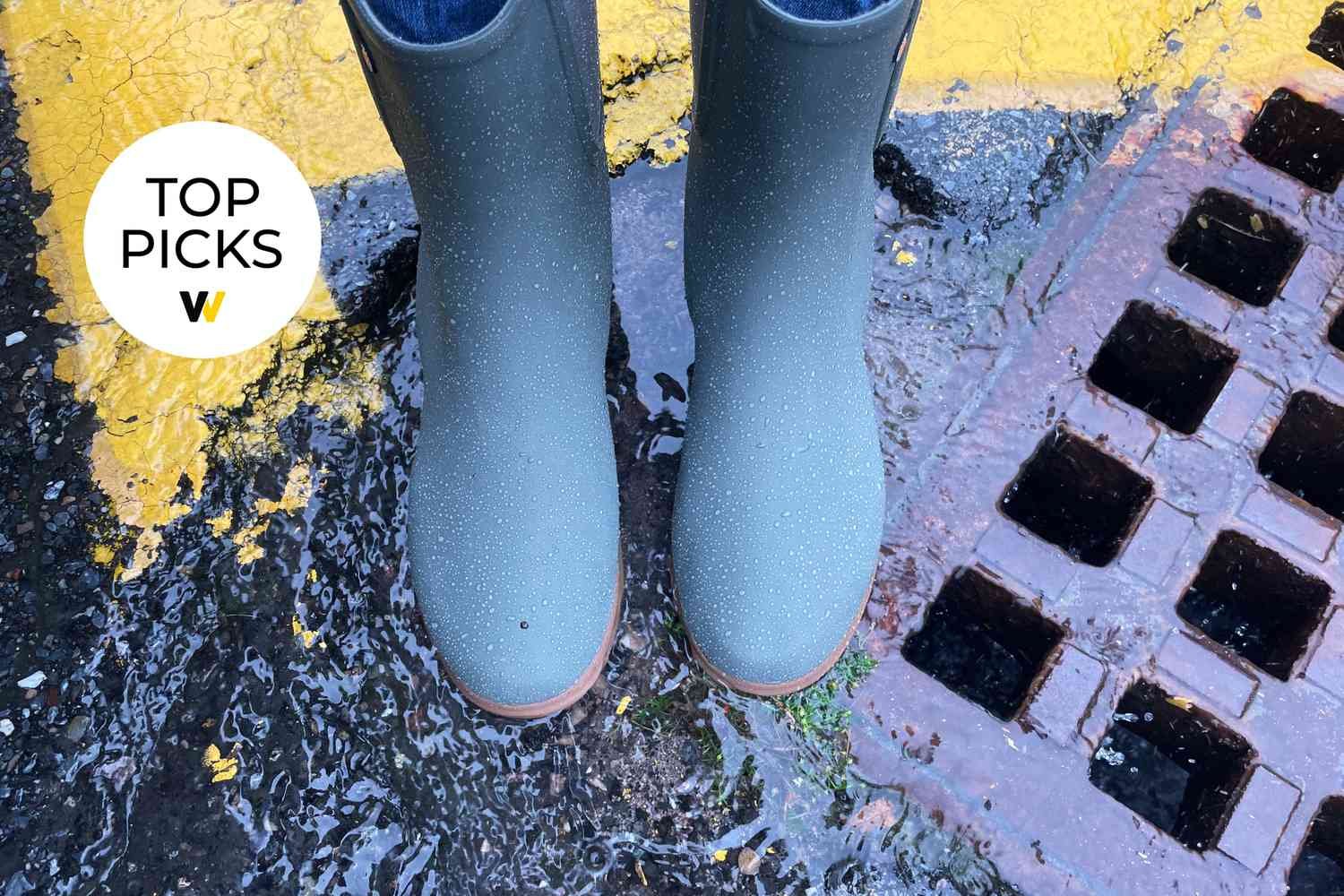
Rainy days can be a real challenge, but with the right pair of rain boots, you can step out in style while keeping your feet dry and comfortable. Rain boots, also known as wellies or galoshes, are specially designed to withstand wet weather conditions and provide protection against water.
In this comprehensive guide, we will delve into the world of affordable rain boots. We’ll explore the different materials used in their construction, discuss their pros and cons, and help you make an informed choice when it comes to selecting the best pair of rain boots for your needs.
Choosing the right rain boots is essential as they play a crucial role in keeping your feet dry and comfortable. Whether you’re walking through puddles, navigating muddy terrains, or simply going about your daily activities during a downpour, the material of your rain boots plays a vital role in their performance.
Stay tuned as we unveil the secrets of affordable rain boot materials, so you can enhance your rainy day style without breaking the bank. Let’s dive into the world of rain boots and discover which material is best suited for you.
Understanding the Importance of Material Selection
When it comes to selecting the perfect pair of affordable rain boots, the choice of materials plays a crucial role in determining their durability, comfort, and water resistance. Each material used in rain boots has its own unique properties and characteristics that directly impact their overall performance.
First and foremost, durability is a key consideration when choosing rain boot materials. Rain boots need to withstand the wear and tear of wet and muddy conditions, so opting for materials known for their durability is essential. High-quality materials like rubber, synthetic fabrics, and leather are commonly used to ensure the boots can handle repeated use without easily showing signs of damage.
Comfort is another essential aspect to consider. Since rain boots are meant to be worn for extended periods, selecting materials that provide a comfortable fit is crucial. Different materials offer varying degrees of flexibility, cushioning, and breathability, all of which contribute to overall comfort. You’ll want to choose materials that provide ample support and prevent discomfort, such as rubber with padded insoles or neoprene with stretchy properties.
Water resistance is arguably the most important feature of rain boots. The materials used should effectively repel water to keep your feet dry and protected even in the heaviest downpours. Rubber is a classic choice that offers exceptional water resistance, ensuring that not a drop will seep through. Synthetic fabrics like PVC and neoprene also provide good waterproofing capabilities, although they may not match the level of protection offered by rubber.
By understanding the importance of material selection, you can make an informed decision while choosing your affordable rain boots. Consider factors like durability, comfort, and water resistance to ensure your boots will withstand the elements, provide all-day comfort, and keep your feet dry. Now that we’ve established the significance of material choice, let’s delve into the specifics of each material to help you make the best decision for your rainy day footwear.
Rubber: The Classic Rain Boot Material
Rubber has long been recognized as the classic material for rain boots, renowned for its exceptional water resistance, durability, and flexibility. Whether you’re splashing through puddles or braving a downpour, rubber rain boots are designed to keep your feet dry and comfortable.
Water Resistance:
Rubber rain boots excel in their ability to repel water. The natural properties of rubber make it impermeable, preventing any moisture from seeping into the boot and ensuring your feet stay dry. This key feature makes rubber rain boots a reliable choice for wet weather conditions.
Durability:
One of the defining characteristics of rubber rain boots is their impressive durability. Rubber is highly resistant to wear and tear, allowing the boots to withstand daily use and the challenges of unpredictable weather. The material’s resilience ensures that your rain boots can endure for extended periods without succumbing to damage.
Flexibility:
Despite their sturdiness, rubber rain boots offer flexibility that enhances comfort and ease of movement. The material is naturally pliable, allowing the boots to bend and flex with your feet as you walk. This flexibility greatly diminishes the risk of discomfort or stiffness that can arise during prolonged wear.
Popular Brands Offering Rubber Rain Boots:
When it comes to rubber rain boots, numerous brands have established themselves as leaders in the industry. Notable examples include:
1. Asgard Rain Boots:
– Asgard Rain Boots are known for their superior quality and trendy designs. These rubber rain boots combine style and functionality, delivering exceptional water resistance and durability.
2. Hunter:
– Hunter is a renowned brand that has been producing rubber rain boots for over 150 years. Their iconic designs, such as the Original Tall Boot and the Short Boot, have become synonymous with classic rain boot style.
3. Muck Boot:
– Muck Boot specializes in durable footwear for outdoor activities, including rubber rain boots. Their boots are designed to withstand rugged terrains and provide reliable protection in wet conditions.
By selecting rubber rain boots from reputable brands, you can trust in the quality and performance of your footwear. These brands have established themselves as experts in crafting dependable and stylish rubber rain boots that cater to different needs and preferences.
In summary, rubber is an exceptional material for affordable rain boots, offering outstanding water resistance, durability, and flexibility. Brands such as Asgard Rain Boots, Hunter, and Muck Boot have solidified their reputations by producing high-quality rubber rain boots that combine functionality with style. Whether you’re battling rain or navigating puddles, rubber rain boots are a reliable choice to keep your feet dry and comfortable.
Synthetic Fabrics: An Affordable Alternative
When it comes to affordable rain boots, synthetic fabrics offer a compelling alternative to traditional rubber. Materials like PVC (Polyvinyl Chloride) and neoprene have gained popularity due to their unique properties and budget-friendly prices. In this section, we will delve into the world of synthetic fabric rain boots, exploring their benefits, drawbacks, and notable brands that excel in this category.
PVC Rain Boots: Budget-friendly and Waterproof
PVC rain boots are widely recognized for their affordability without compromising on waterproof functionality. This synthetic fabric is highly resistant to water, making it an ideal choice for wet weather protection. PVC rain boots are known for their durability, withstanding harsh conditions while keeping your feet dry. Additionally, they are lightweight compared to rubber boots, offering improved comfort during extended wear.
Despite their many advantages, PVC rain boots do have some drawbacks. They may lack the flexibility and breathability of rubber boots, which can lead to discomfort in certain situations. It’s important to consider the intended use of the boots and whether flexibility is a priority for you. However, for everyday wear and occasional use, PVC rain boots offer a great option at an affordable price point.
Notable brands that excel in offering PVC rain boots include Asgard, known for their wide range of stylish and affordable options. Asgard rain boots are lauded for their deep water protection, wide toe boxes, and lightweight materials. These features make them a popular choice among consumers seeking both functionality and fashion-forward designs.
Neoprene Rain Boots: Comfort and Versatility
Another type of synthetic fabric used in affordable rain boots is neoprene. Known for its excellent insulating properties, neoprene rain boots are a great choice for colder climates and extended outdoor activities. The material provides insulation, keeping your feet warm and comfortable even in chilly and damp conditions.
In addition to their insulating properties, neoprene rain boots are highly flexible, allowing for ease of movement and a customized fit. The elasticity of neoprene ensures a secure feel around the foot without sacrificing comfort. These boots often feature an elastic panel on the back of the shoe, providing a snug fit that adapts to different foot sizes.
While neoprene rain boots offer comfort and versatility, they may not match the 100% waterproof capabilities of rubber boots. Some users have reported a minor amount of water seepage in extreme conditions. However, for everyday rainy days or milder wet weather, neoprene rain boots provide ample protection.
When considering neoprene rain boots, one prominent player in the market is Xtratuf. With their signature design element of a rubber outsole and neoprene upper, Xtratuf boots combine the benefits of both materials. These boots are cherished for their durability, flexibility, and waterproof qualities. They cater to various needs, whether you’re a fisherman seeking reliable and comfortable footwear or an outdoor enthusiast in need of a versatile rain boot option.
In conclusion, synthetic fabric rain boots, particularly those made from PVC and neoprene, offer affordable alternatives to traditional rubber boots. PVC rain boots excel in their waterproof properties and budget-friendly prices, while neoprene rain boots provide comfort and versatility. Brands like Asgard and Xtratuf offer excellent options in the synthetic fabric rain boot market, catering to different needs and preferences. By understanding the benefits and drawbacks of these materials, you can make an informed choice when selecting your affordable rain boots.
Other Materials to Consider
In addition to rubber and synthetic fabrics, there are other materials used in affordable rain boots that offer unique properties and cater to specific needs. Let’s explore these alternative options:
Leather
Leather is a popular and timeless choice for rain boots. It offers a stylish and sophisticated look while providing excellent durability and water resistance. High-quality leather boots are often more expensive, but they can withstand heavy rain and last for years with proper care. Leather boots are known for their breathability, allowing the feet to stay comfortable even during extended wear. They are a great option for those who prioritize both style and functionality.
Fabric Blends
Some affordable rain boots incorporate fabric blends, combining materials like nylon, polyester, and spandex. These blends offer a balance of flexibility, comfort, and water resistance. The addition of synthetic fabrics enhances the boots’ ability to repel water while maintaining a lightweight feel. Fabric blend rain boots are often more affordable than traditional rubber or leather options, making them a budget-friendly choice for casual use.
Recycled Materials
With the increasing demand for sustainable fashion, many brands are now using recycled materials in their rain boot manufacturing. These materials can include recycled rubber, plastic, or even ocean waste. By repurposing these materials, they help reduce environmental impact. Recycled material rain boots can be a great option for environmentally conscious consumers who want to make a positive impact while keeping their feet dry.
It’s important to note that the performance and durability of rain boots can vary depending on the specific materials used, even within each category mentioned above. When considering these alternative materials, it’s crucial to read customer reviews, check for certifications, and consider reputable brands. Ultimately, the best choice of material will depend on individual preferences and specific needs, such as the level of water resistance required, desired style, and intended use.
Remember, finding the right pair of rain boots is about striking a balance between functionality, comfort, style, and budget. Consider the pros and cons of each material, try on different pairs if possible, and prioritize your specific needs to make an informed decision.
> “I love the versatility of leather rain boots. They offer a classic look that can be dressed up or down, and they’re incredibly durable.” – [Rain Boot Enthusiast](www.rainbootenthusiast.com)
> Top Tip: When considering fabric blends, look for boots that have a waterproof membrane lining to ensure maximum water resistance and comfort.
Market Trends and New Innovations
As the demand for affordable rain boots continues to grow, the market is witnessing an array of trends and innovations in rain boot materials. Consumers are becoming more conscious of sustainable options and are looking for emerging design elements to enhance their rainy day style. Let’s explore the latest trends and innovations shaping the world of rain boot materials.
Sustainable Materials Making Waves
With sustainability being a key focus in various industries, rain boot manufacturers are incorporating eco-friendly materials into their designs. The use of recycled materials, such as recycled rubber and plastic, is gaining traction. Not only does this help reduce waste, but it also provides an opportunity for consumers to make an environmentally conscious choice without sacrificing quality or style.
Emerging Design Elements
Design plays a significant role in the appeal of rain boots. Brands are introducing innovative features and design elements to enhance both the functionality and aesthetic appeal of their products. Some notable design elements include:
– Enhanced grip and traction: Manufacturers are incorporating advanced sole designs and patterns to improve grip and stability on wet surfaces.
– Adjustable fit: Many rain boots now feature adjustable straps, buckles, or laces to provide a customized fit and accommodate various calf sizes.
– Breathable materials: To enhance comfort during prolonged wear, brands are integrating breathable materials that allow moisture to escape and prevent a sweaty or clammy feeling inside the boot.
– Stylish patterns and colors: Rain boots are no longer limited to basic colors and plain designs. Brands are offering a wide range of vibrant patterns, prints, and trendy colors to suit individual preferences and personal style.
Noteworthy Brands Driving Market Growth
Several brands have emerged as key players within the rain boot industry, driving market growth through their innovative materials and designs. One such brand is Hunter, known for its iconic rubber boots that combine durability, functionality, and style. Another prominent player, Xtratuf, offers high-performance boots with a rubber outsole that provides superior traction in various weather conditions. Asgaard rain boots have also gained popularity for their affordability and wide range of styles.
In conclusion, the market for affordable rain boots is continuously evolving with the introduction of sustainable materials and innovative design elements. Consumers now have the opportunity to choose rain boots that align with their values while still maintaining durability and style. Brands such as Hunter, Xtratuf, and Asgaard are at the forefront of these market trends, offering consumers a wide range of options to enhance their rainy day footwear. Stay updated with the latest trends and explore new innovations to find the perfect rain boots that suit your needs and style.
FAQs
Q: What are some eco-friendly rain boot materials?
A: Some eco-friendly rain boot materials include recycled rubber and plastic.
Q: Are there rain boots with adjustable fit options available?
A: Yes, many rain boot brands now offer adjustable straps, buckles, or laces for a customized fit.
Q: Are there rain boots available in stylish patterns and colors?
A: Absolutely! Brands now offer a wide range of vibrant patterns, prints, and trendy colors to suit individual preferences and personal style.
Q: Which brands are leading the market for affordable rain boots?
A: Hunter, Xtratuf, and Asgaard are notable brands driving market growth with their innovative materials and designs.
Factors to Consider in Material Selection
When it comes to selecting the right material for your rain boots, there are several key factors to keep in mind. By considering these factors, you can ensure that your rain boots not only keep your feet dry but also meet your specific needs. Here are the most important factors to consider:
Water Resistance
One of the primary purposes of rain boots is to keep your feet dry in wet conditions. Therefore, water resistance should be a top consideration when choosing the material for your rain boots. Rubber is known for its excellent waterproof properties and has been a classic choice for rain boots for decades. However, synthetic fabrics like PVC and neoprene have also made significant advancements in terms of water resistance. Consider the level of water resistance needed based on the intensity of rainfall and the depth of water you expect to encounter.
Durability
Another crucial factor to consider is the durability of the material. Rain boots should be able to withstand frequent use and exposure to various weather conditions while maintaining their integrity. Rubber is generally considered to be highly durable, as it can withstand wear and tear over time. However, certain synthetic fabrics like PVC and neoprene can offer comparable durability. Additionally, materials like leather and fabric blends can provide durability, but they may require more care and maintenance compared to rubber or synthetics.
Comfort
Comfort is essential when it comes to rain boots, especially if you plan on wearing them for extended periods. Consider the fit, cushioning, and breathability of the materials used. Rubber boots often provide a snug fit and are known for their excellent breathability. On the other hand, synthetic fabrics like PVC and neoprene tend to offer more flexibility and cushioning. It’s important to prioritize your comfort preferences, such as a wide toe box, ample arch support, or lightweight materials.
Style
While functionality is paramount, style can also play a role in your material selection. Rubber rain boots are available in a variety of classic and contemporary designs, making them a versatile choice for different outfits and occasions. Synthetic fabrics offer a wider range of design options and patterns, catering to various style preferences. Consider your personal style and how well the material complements it.
In conclusion, when choosing the right material for your rain boots, consider factors such as water resistance, durability, comfort, and style. By prioritizing your specific needs, you can find a pair of rain boots that not only keep your feet dry but also align with your preferences and lifestyle. So, whether you opt for the timeless appeal of rubber or the affordability of synthetic fabrics, make sure to select the material that best suits your requirements.
Conclusion
In conclusion, selecting the right material for your affordable rain boots is crucial to ensure durability, comfort, and water resistance. By considering the various materials available in the market, you can make an informed choice that meets your specific needs.
Throughout this comprehensive guide, we have discussed the importance of material selection and explored the pros and cons of different options. Rubber remains a classic material for rain boots, offering excellent water resistance, durability, and flexibility. Popular brands like Asgard provide high-quality rubber rain boots that are both functional and stylish.
Synthetic fabrics such as PVC and neoprene offer affordable alternatives to rubber. While they may not match the exact water resistance of rubber, they come with their own benefits and are often lightweight and comfortable. Brands like Xtratuf are known for their synthetic fabric rain boots, providing a great option for those seeking affordable waterproof footwear.
Additionally, other materials like leather, fabric blends, and even recycled materials can offer unique properties and sustainability aspects. It’s important to assess your specific requirements, such as wide toe space or deep water functionality, before making a purchase.
In the ever-evolving rain boot market, sustainable materials and innovative design elements are gaining traction. Brands like Hunter continue to drive growth and offer expert-approved rain boot options.
In making your final decision, prioritize water resistance, durability, comfort, and style. Remember, what works for one person may not work for another, so consider your individual needs and preferences.
With this guide, we hope to have provided valuable insights and recommendations for selecting the best affordable rain boots. Stay dry and stylish on those rainy days!
FAQs
What is the most durable material for rain boots?
When it comes to durability, rubber is widely regarded as the most reliable material for rain boots. Its natural properties make it highly resistant to water and wear, ensuring long-lasting protection against rainy conditions. Rubber rain boots can withstand repeated use without losing their shape or integrity, making them a popular choice for those seeking durability.
Are synthetic fabric rain boots as waterproof as rubber ones?
While synthetic fabric rain boots offer a more affordable alternative to rubber, they may not provide the same level of waterproofing. While some synthetic materials like PVC and neoprene offer decent water resistance, they may not match the impenetrable nature of rubber. Therefore, if complete waterproofing is a priority, it’s recommended to opt for rubber rain boots.
Can leather be a suitable material for affordable rain boots?
Leather, although not as commonly used in rain boots, can be suitable depending on the specific type of leather and its treatment. Some leather rain boots are treated with waterproof coatings to enhance their resistance to moisture. However, it’s important to note that leather, when not properly cared for, can absorb water and become damaged. It’s advisable to check the specific product details and customer reviews to ensure the rain boots offer the desired level of water resistance.
Are recycled materials a sustainable option for rain boot manufacturing?
Yes, recycled materials can be a sustainable option for rain boot manufacturing. Using recycled materials helps reduce waste and lessen the environmental impact of the manufacturing process. However, it’s essential to consider the specific quality and durability of the recycled materials used in rain boots. Brands that prioritize sustainability often highlight their use of recycled materials in their product descriptions, making it easier for consumers to make eco-conscious choices.
Keep in mind these FAQ answers are brief and concise, so it’s always recommended to read detailed product descriptions, customer reviews, and consult with experts to find the best rain boots that meet your specific needs.
 English
  German
  Italian