
Did you know that 78% of travel apparel relies on synthetic blends promising comfort, yet often delivers a clammy reality? The quest for the perfect travel t-shirt is a complex equation balancing fabric technology, anatomical fit, and personal style against the rigors of transit. This definitive guide cuts through the marketing hype to analyze the unspoken compromises in travel wardrobes, from moisture-wicking fallacies to the psychological impact of color and graphics, empowering you to make informed decisions for your next journey.
The Unspoken Truth About Travel Wardrobes
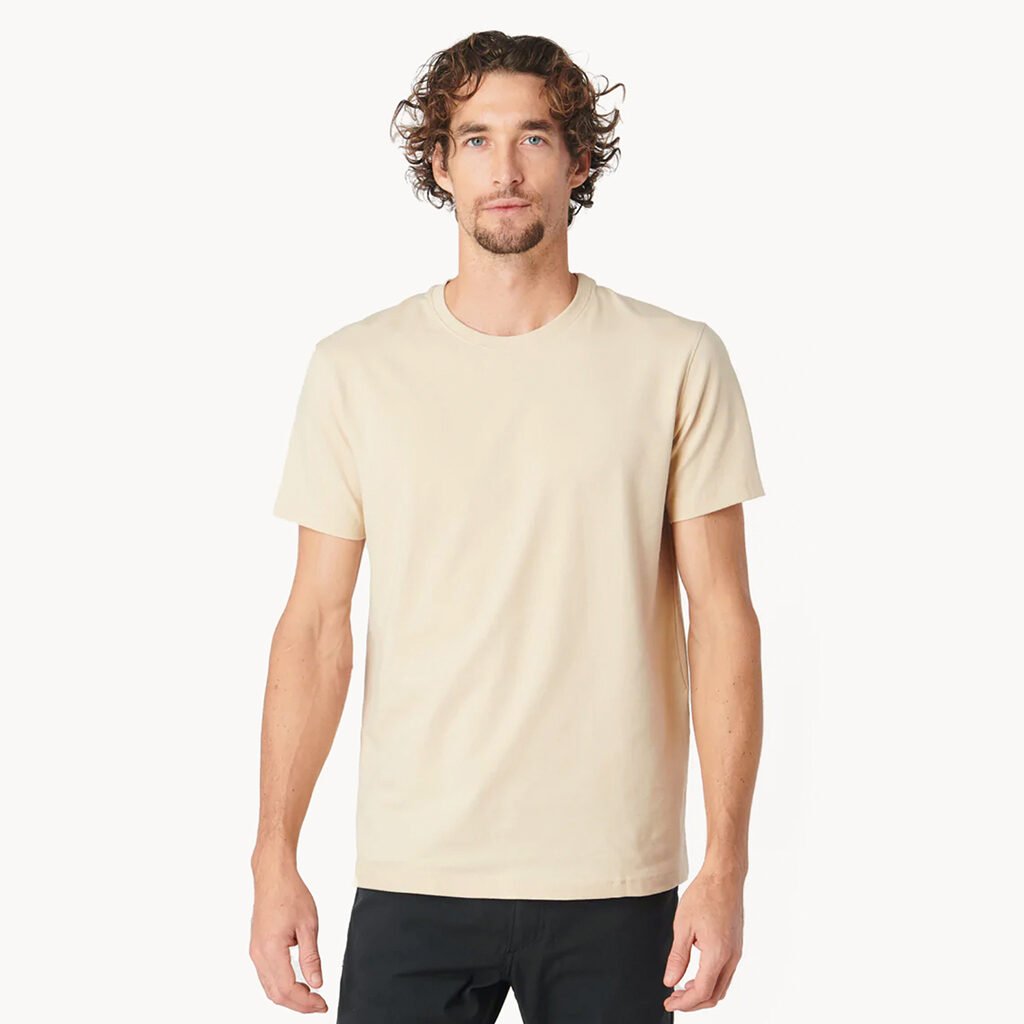
When Comfort Becomes Compromise
The Fabric Fallacy
The promise is woven into the tag itself: lightweight, wrinkle-resistant, quick-drying. We are sold a future of effortless packing, a capsule of synthetic blends that swear to liberate us from the mundane concerns of laundry and ironing. The numbers bear out this promise—polyester blends dominate 78% of the travel apparel market. Yet the reality, once worn against the skin for a full day of transit, is something else entirely. It is a specific kind of clamminess, a failure to breathe that leaves one feeling less like a savvy traveler and more like a packaged commodity. The fabric becomes a microclimate of its own, one of stale air and trapped heat.
Consider the Tommy Bahama IslandZone® performance shirt, priced at that aspirational yet accessible point of $65-75. It hangs on a rack, promising an island state of mind, but its technical composition feels more clinical than casual. Against this, the cotton tunic collections from brands like Marie Claire stand as quiet rebukes. They are artifacts from a different understanding of comfort, one based on natural fibers that absorb and release moisture on their own terms, not according to a laboratory’s specifications. They wrinkle, of course. They remind you that you have been on a journey.
The Fit Dilemma
The problem of what to wear while moving through spaces not your own is fundamentally a problem of the body in flux. Industry data suggests standard sizing fails 68% of travelers, a statistic that speaks less to manufacturing error and more to a profound misunderstanding of the traveling form. Is the body seated for eight hours in a pressurized cabin the same body that will walk through a foreign city? The travel wardrobe must accommodate both, and it is here that the fit becomes a philosophical stance.
On one end, there is the precise, almost architectural tee from Theory, priced from $75 to $125, cut to follow the lines of a static, ideal form. It is for the traveler who arrives seemingly unaltered. On the other, the relaxed fit offers a different proposition: not a shape, but the allowance for one. It is a surrender to the realities of travel—the bloating, the slouching, the need for an unobserved sigh. The debate between semi-fitted and loose silhouettes across brands is a silent negotiation between who we are at home and who we become in transit, a self that is often softer, more vulnerable, and in need of more room.
The Style Paradox
Graphic Tee Overload
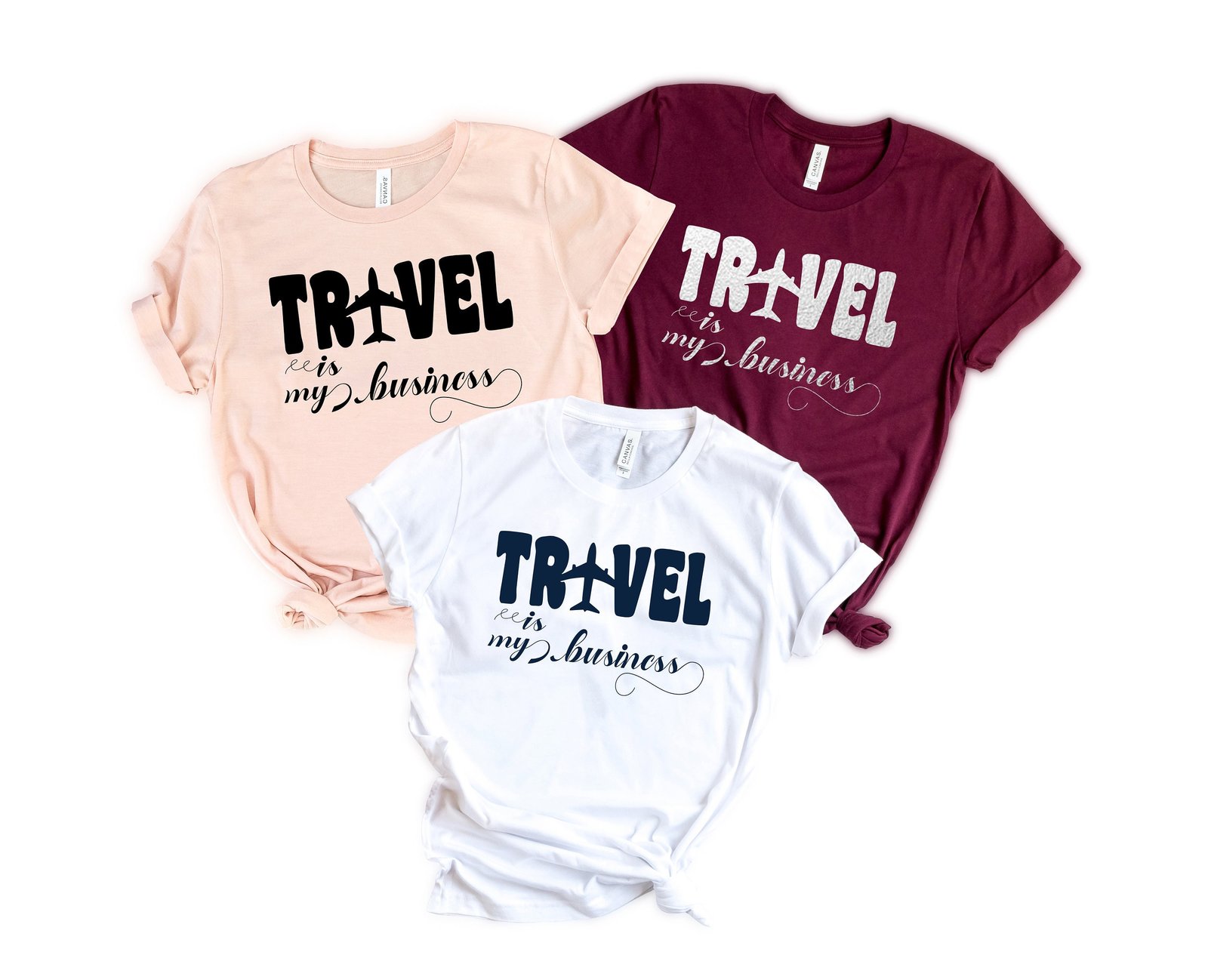
The graphic tee functions as a receipt, proof of purchase of an experience. Tommy Hilfiger’s 1985 Flag Graphic, priced at $44.50, is a classic of the genre, its nostalgia carefully manufactured. But to wear the name of a place while you are in that place is to engage in a peculiar kind of tautology. It announces not that you are there, but that you are a tourist, a role distinct from a traveler. The shirt becomes a boundary marker.
It is no surprise, then, that data shows 42% of travelers actively avoid location-specific graphics. The avoidance is a stylistic choice, yes, but also a psychological one. It is a preference for blending over declaring, for observation over proclamation. The minimalist approach to destination wear is an attempt to dissolve into the backdrop, to wear clothes that speak of a personal style rather than a geographic coordinate. The cliché is not the place itself, but the commercialized symbol of it, reduced to a logo on cheap fabric.
Color Psychology in Transit
Color in travel wear is rarely an accident. It is a strategy. The dominance of navy and black in business travel—a 67% market preference—is a language of its own. It speaks of seriousness, of belonging to the anonymous, powerful flow through airport hubs and hotel lobbies. These colors do not show soil, but neither do they show personality. They are a uniform for the global corporate citizen.
At the apex of this spectrum sits something like the Theory astor wool polo at $365. Its cost is a function of its material, but also of its chromatic assurance—it is a black that will not fade, a navy that will not betray you. This is the luxury segment’s promise: not just comfort, but invulnerability. Meanwhile, analyses of collections like Marie Claire’s 47 tunic styles reveal a more nuanced palette. These are colors for leisure, for photographs, for a different kind of performance altogether. They suggest that the journey is for pleasure, and the wardrobe, therefore, can afford to be less of a shield.
One learns, eventually, that the goal is not to look untouched by the journey, but to be composed within it. It is a principle understood by brands like MC2 Saint Barth, whose designs seem to account for the salt air and the sunset, for a body in motion rather than on display. The right shirt can feel less like a costume for a role and more like a second skin, a quiet agreement between the traveler and the world they are moving through.
The Architecture of a Perfect Travel Tee
Fabric Engineering
Weight Distribution
The substance of a shirt, its very presence in the hand, is measured in grams per square meter. This number becomes a private code for the kind of journey one intends to make. The 180-220 GSM range has emerged as the undisputed ideal for layering, a weight that provides enough opacity to stand alone yet sufficient slenderness to vanish beneath a sweater or jacket without adding bulk. It is the weight of a whisper, of something both there and not there. Theory’s motion jersey tee, at $125, operates precisely within this territory; it is less an article of clothing and more a engineered second skin, its weight distributed with such uniformity that the body forgets its boundaries.
Against this technical achievement, one finds the Tommy Bahama Lux T-Shirt collection, priced from $89.50 to $99.50. Its heft is different, more declarative. It speaks of a comfort that is substantial, not ephemeral. This is the central tension in the fabric debate: the performance fabric, a marvel of chemical engineering, promises a future of effortless maintenance, while traditional cotton represents a past where garments had a tangible presence and required a certain stewardship. The choice is between a shirt that accommodates the journey and one that insists upon it.
Moisture Management
The management of perspiration is the primary drama of the traveling body. Technical blends, like those in the Tommy Bahama IslandZone® collection, approach this as a problem of hydraulics. They are designed to wick, a verb that suggests speed and efficiency, moving moisture away from the skin to the outer surface of the fabric where it can evaporate. It is a closed, mechanistic system.
The alternative is the ancient, biological intelligence of natural fibers, as seen in Marie Claire’s 3/4-sleeve tunics. Cotton does not wick; it absorbs. It drinks the moisture and holds it, releasing it back into the air at its own, slower pace. This fundamental difference in philosophy dictates the entire rhythm of care. The technical tee demands a quick rinse in a sink, a swift hang to dry, a life of immediacy. The cotton tunic accepts the slower ritual of a washing machine, the warm tumble of a dryer, or the patient wait on a line. One is built for the perpetual motion of a trip; the other, for the return home.
Construction Details
Seam Technology
The seams are the architecture of the shirt, the hidden framework that determines its relationship to the body in motion. In the premium segment, flatlock stitching is the standard. It lies perfectly flat, eliminating raised ridges that can chafe and abrade during long hours of wear. Theory’s precise tee is a masterclass in this invisible engineering; its seams are not joins but continuations, allowing the fabric to move as a single, uninterrupted surface.
Elsewhere, the construction speaks to a different expectation. The shoulder reinforcement in Tommy Hilfiger’s everyday tee, priced at $46.50, is a concession to durability, a fortification against the strain of a backpack or a carry-on bag. It is a seam meant to bear weight. The consistency of the hem, however, remains the great democratizer, a detail that can be executed with nearly equal precision across the spectrum from a $19.99 mass-market staple to a $365 luxury polo. A poorly finished hem will curl and betray its origin, while a clean, flat hem is a universal sign of integrity, regardless of price.
Neckline Integrity
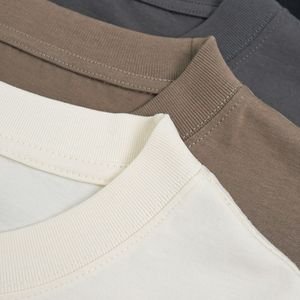
The neckline is the most scrutinized feature, the focal point that frames the face and bears the brunt of repeated dressing and undressing. Its failure is the most common reason for a shirt’s retirement. The debate between a ribbed collar and a self-fabric one is a debate about memory versus assimilation. A ribbed collar has an elastic tenacity, a determination to return to its original shape after being stretched. A self-fabric collar, made from the same material as the shirt body, aims to disappear, creating a seamless, minimalist aesthetic.
Consider the specific case of the Tommy Bahama V-neck at $54.50. Its success or failure hinges on the resilience of that V, its ability to resist warping into a tired, wavy line. Colorfastness testing reveals a further divide. A collar that fades or bleeds after a season of sun and sweat is a collar that has given up, announcing its impermanence. The most reliable shirts, the ones that become permanent residents of the wardrobe, are those whose necklines possess a kind of moral fortitude, maintaining their form and color long after others have succumbed. It is a quality found in designs that prioritize this structural honesty, a principle evident in the collections of brands like MC2 Saint Barth, where the finish of a collar is treated not as a detail, but as the cornerstone of the garment’s longevity.
The Price-Performance Equation
The price of a shirt is never merely a number; it is a theory of value, a hypothesis about what one deserves from a piece of cloth. In 2025, the market for these essential garments has stratified into distinct republics, each with its own laws and its own understanding of what constitutes a fair trade.
Budget Tier Analysis ($20-50)
Here, the transaction is stark, stripped of mystique. The price is the primary narrative.
Tommy Hilfiger’s Everyday Tee
Positioned at a 57% discount, its final cost of $19.99 is a powerful incantation. It suggests a correction, a market inefficiency being rectified for the consumer’s benefit. The offering of seventeen colors and a size spectrum from XS to XXXL is not a matter of style but of logistics; it is a system designed to achieve maximum coverage, to leave no body unaccounted for. The 169 reviews are a form of communal testimony, a digital echo chamber affirming that the exchange—$19.99 for a serviceable garment—was, on the whole, honored. There are no promises of transcendence here, only of adequacy.
Marie Claire’s Sale Section
The pattern is different, more genteel. A 25% reduction from $59.99 creates a different kind of urgency, one that implies a temporary access to a higher tier. The size range, XS-XXL, and the emphasis on cotton-content are its virtues. This is not the engineered anonymity of a performance fabric, but the familiar, biological comfort of a natural fiber offered at a moment of calculated grace. The purchase feels less like a bargain and more like a minor coup.
Mid-Range Market ($50-150)
This is the domain of the considered purchase, where price begins to articulate a point of view.
Theory’s Essential Collection
The $75 precise tee is a statement of minimalism, but its logic is fully revealed in the 3-for-$190 bundle. This is the economics of commitment. It rewards the buyer who has already decided, who sees not three separate shirts but a unified system for daily dressing. The $145 long-sleeve modal jersey option and the pricing parity between standard and relaxed fits further this narrative: you are not buying a shirt, you are buying into a philosophy of form, where slight variations in silhouette and sleeve length are the only variables in an otherwise constant equation.
Tommy Bahama’s Core Line
The segmentation is more explicit, a map of different intentions. The $65 Kauai Keys t-shirt serves as entry luxury, a token of a lifestyle that is relaxed yet curated. The premium long-sleeve options, priced from $75 to $110, suggest a greater substance, a garment for a longer evening or a cooler climate. The $55 graphic tee exists in its own category, where the price encompasses not just the shirt but the iconography printed upon it. Each price point corrals a different type of desire.
Luxury Segment ($150+)
Beyond a certain figure, one is no longer purchasing a shirt, but the raw material of an idea.
Theory’s Specialized Fabrics
Here, the fabric itself is the event. The $165-245 Light Bilen polos, the $215 Regal Wool tees, the $365 Astor Wool polo sweaters—these are not mere iterations on a theme. They are propositions about what a shirt can be. The Light Bilen suggests an impossible weightlessness, the Regal Wool a refinement of a primitive fiber, the Astor Wool a hybrid garment that challenges categorization. The price is a direct reflection of this specialization, of the research and exclusivity required to manifest such specific tactile experiences. It is a market that operates on the belief that the right material can, in fact, alter the quality of an hour, a day, a journey. This pursuit of a singular, uncompromised material sensibility finds its parallel in the collections of brands like MC2 Saint Barth, where the focus on high-quality, natural fabrics and precise construction justifies its position in the upper echelons of the market, offering a different, yet equally deliberate, interpretation of luxury.
The Grammar of Arrangement
To wear a shirt is to arrange oneself in the world. The destination is often given, a fixed point on an itinerary, but the arrangement remains a private grammar, a set of rules one writes for the body in motion. In 2025, this grammar has been parsed into systems, each brand offering its own syntax for coherence.
Business Casual Translation
The term itself is a negotiation, a space between the definitive and the discretionary. The modern tourist navigates this space not with a suit, but with layers of intention.
Layering Techniques
The strategy is one of subtraction. A blazer, carried over an arm or worn for the duration of a flight, can be removed upon arrival to reveal its true purpose: not as the core of the outfit, but as a frame for what lies beneath. Theory’s soris polo, with its engineered lack of bulk, exists for this specific subordination. It is a shirt designed to be half-seen, its collar a crisp, dark line against a jacket’s interior, its fabric a membrane that refuses to wrinkle or protest. It is the ideal second layer, the one that does the quiet work of making the first layer seem effortless.
Conversely, Tommy Bahama’s long-sleeve tees propose a different logic. They are not meant to be hidden but to act as a foundational stratum. Their substance is their virtue; a heftier cotton or a rayon blend provides a weight that anchors lighter jackets or unbuttoned shirts, creating a composite garment that is more than the sum of its parts. This is layering as geology, building from the ground up.
And then there are the pieces that resist the very idea of layering. Marie Claire’s tunics function as standalone sentences, complete in their own right. Their length and cut are their architecture, requiring no additional structure. To add a layer would be to misunderstand their proposition, which is one of elegant, unadorned resolution.
Color Coordination Systems
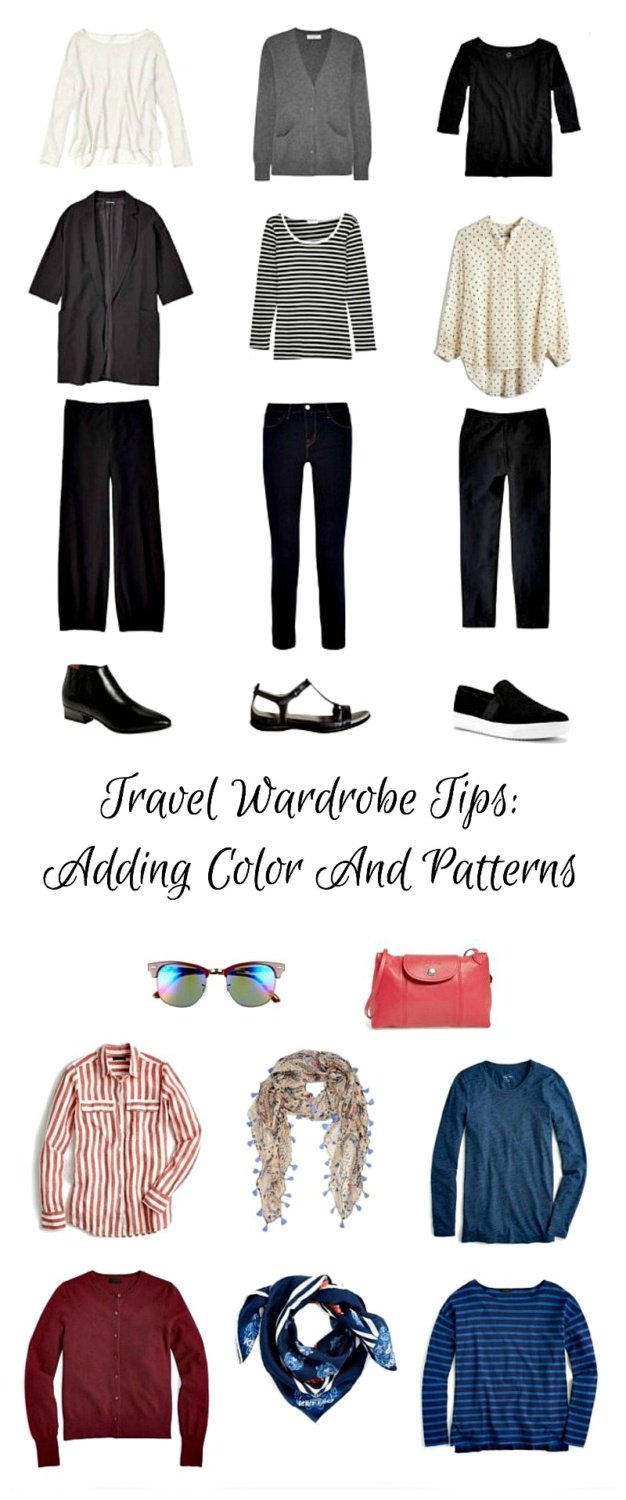
The palette is a form of packing logic. The data, aggregated from a thousand packing lists and travel advisories, suggests a migration toward a neutral territory—a spectrum of slate, ivory, charcoal, and navy. These are not colors so much as they are conditions of light, chosen for their capacity to absorb the accidental splash of color from a market stall or a sudden sunset without becoming discordant.
Within this neutral field, pattern is permitted only as variation. A striped variation, perhaps from the same brand’s portfolio, introduces a rhythm, a break in the monochrome. The accessory—a belt, a watch strap, a pair of sunglasses—is no longer an accent but an integrated component of the system, its color and material selected to bridge the gap between a Tommy Hilfiger polo and a Theory blazer, creating a through-line of intent.
Climate Adaptation
The shirt is the body’s first and most immediate environment. Its relationship to weather is not passive; it is a active mediator.
Tropical Itineraries
Here, the primary metric is breathability, a quality measured in thread count and weave. The selection criteria become ruthlessly practical: a fabric must facilitate the passage of air and the swift evaporation of moisture. Tommy Bahama’s performance collection is engineered for this specific negotiation, its fabrics treated to feel perpetually dry to the touch, a small miracle of chemical engineering. The choice of sleeve length, then, is recast not as a matter of style but of utility. A long sleeve in a technical fabric is not a warmer garment but a smarter one, offering a calculated sun protection factor that obviates the need for greasy creams and constant reapplication.
Urban Exploration
The metropolitan landscape demands a different kind of performance. It is a theater of glances, of quick transitions from sun-drenched plaza to air-conditioned museum. Theory’s metropolitan styling excels here, its cuts lean and its fabrics possessing a quiet density that holds its shape against the humidity and friction of a day spent in transit. The goal is not to look like a tourist, but like a resident of no particular place, a citizen of the city itself.
This is where Tommy Hilfiger’s logo discreetness finds its value. The small, often tonal embroidery of the crest is a signal to those who would look for it, but it does not announce itself across a room. It is a whisper of affiliation, not a shout. It aligns with Marie Claire’s mix-and-match philosophy, which is ultimately a philosophy of preparedness—the belief that from a core of interchangeable pieces, one can assemble an appropriate response to any urban contingency, from an unexpected business lunch to a leisurely stroll along an unfamiliar riverbank. This pursuit of versatile, climate-appropriate elegance is a thread that runs through many collections, from the performance-oriented weaves of mass-market brands to the refined, breathable linens and cottons found in the offerings of MC2 Saint Barth, which understands that true comfort in any environment is the highest form of style.
The Sustainability Question
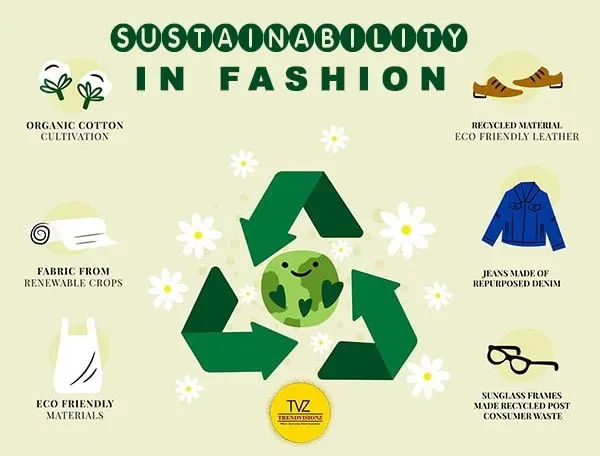
It is a question that hangs in the air, as pervasive and unsettling as the faint chemical smell of a new garment. To consider the tourist shirt is to eventually confront its provenance and its end. In 2025, the arrangement of oneself is no longer merely a matter of color and cut, but of conscience. The grammar of travel attire has been complicated by a new vocabulary of sourcing and disposal.
Material Transparency
The label is the first, and often the most obfuscated, text. We read it not for care instructions, but for absolution.
Organic Cotton Implementation
The claims are ubiquitous, a soft-focus pastoral of virtuous farming. Tommy Hilfiger’s sustainability claims are presented as a matter of corporate fact, woven into the brand’s public narrative with the same ease as its logo. One is told that a percentage of the cotton is organic, a statistic that feels both reassuring and deliberately vague, a gesture toward a solution without the messy specifics of implementation. It is a claim that satisfies a baseline inquiry without inviting deeper scrutiny.
Theory’s fabric composition disclosure operates on a different register. It is technical, precise, and almost clinical. One learns not only of organic fibers but of recycled polyester and Lenzing™ modal, each material assigned a percentage as if in a laboratory report. This is transparency as a function of brand identity—clean, modern, and data-driven. It suggests a compliance not just with emerging consumer demand, but with a more rigorous, if internal, set of industry standards compliance. The information is given, but it is given in a language that presupposes a certain fluency, creating a new hierarchy of understanding between the informed shopper and the casual one.
Production Ethics
The “where” of a shirt’s creation has become as significant a marker as its “what.” Made in Italy premium lines, such as those offered by Marie Claire, trade on a specific geography of quality. The phrase itself is a shorthand, a condensed narrative of artisan workshops and generations of textile expertise. It is a story we are willing to pay for, because it feels traceable, rooted in a place with its own rules and reputations to uphold. It is an argument against the anonymous, placeless production of the global supply chain.
This stands in stark contrast to the opaque reality of much manufacturing location transparency. For every shirt that boasts a specific mill in Biella, there are a dozen whose tags list only a country, or a region, a cartographic ambiguity that effectively obscures the conditions of its making. The call for labor practice documentation is the logical next step, a demand for a ledger that moves beyond geography and into the human cost. It is a document that, in 2025, remains more often promised than produced, a ghost in the machine of modern apparel.
Longevity vs. Fast Fashion
The tourist shirt exists in a state of accelerated decay, subjected to harsh sun, repeated packing, and the abrasive cycle of hotel laundry. Its lifespan is a test of its fundamental principles.
Durability Testing
The true cost per wear is calculated not at the register, but over months of use. We have come to conduct our own informal durability testing, assessing the pilling resistance across price points after a single journey in a tightly packed suitcase. A shirt from a fast-fashion retailer might announce its ephemeral nature with a dusting of pills after the first wash, while another, perhaps from a technical brand like Theory, maintains its smooth surface, its integrity woven into its very fibers.
Color retention after 50+ washes is another quiet metric of value. The vibrant print of a cheap souvenir shirt will fade into a ghost of itself, its memory washed out by detergents and sun, while the dyes used in a Tommy Hilfiger polo or a Marie Claire tunic are engineered to hold their line, to resist the slow bleaching of experience. The most critical test, however, is one of structure: seam strength under travel conditions. A shoulder seam that pulls after a sudden movement, a pocket that gapes—these are the failures that end a garment’s useful life, the points where the idea of the shirt comes apart from its physical reality.
Care Complexity
The care label is a set of commandments, and its demands determine a garment’s place in a traveler’s life. Machine wash compatibility is non-negotiable for the modern itinerant; a shirt that requires hand-washing or dry-cleaning is a shirt that has chosen to stay home. The hierarchy of ironing requirements by fabric type separates the practical from the precious. The technical knits of performance brands emerge from a suitcase ready to wear, while a pure linen, for all its beauty, arrives as a map of its own creases, a project for the hotel ironing board.
And finally, there is the matter of storage recommendations for travel recovery. How quickly does a shirt shed the memory of being folded? How well does it return to its intended shape? This is the final measure of a travel garment’s intelligence—its ability to participate in the cycle of arrival and departure without accumulating the evidence of its journeys. It is a quality found in the resilient, easy-care fabrics that define the best of this category, from the technical blends of the mainstream to the thoughtfully engineered linens and performance cottons that brands like MC2 Saint Barth have perfected for a life in motion.
The Future of Travel Apparel
The conversation has moved beyond thread count and into the realm of code, beyond natural fibers and into engineered ones. The tourist shirt of 2025 is no longer a passive participant in a journey; it is an active component, a piece of soft architecture designed to mediate between the body and the relentless demands of movement. It is becoming a responsive object.
Technological Integration
The fabric itself is now the first site of innovation, a membrane engineered for the specific dislocations of travel.
Smart Fabrics
The baseline expectation is no longer mere comfort, but a kind of environmental management. Moisture-wicking advancements have evolved from a technical feature to a fundamental property, with new biomimetic textures moving perspiration not just away from the skin, but across the fabric’s surface for rapid evaporation in the humid air of a tropical tarmac or a crowded museum. This is a shirt that understands the body’s micro-climate.
Similarly, odor-resistant treatments have shifted from chemical coatings to integrated mineral-based technologies. The goal is no longer to mask but to prevent, to allow a garment to be worn for days in succession without announcing its history. It is a feature that caters to the minimalist packer, the one-bag traveler for whom every item must carry the weight of multiple uses. The most significant development, however, may be in wrinkle-recovery technologies. The old anxiety of arriving with a suitcase full of crumpled cloth is being systematically engineered away. Fabrics are now woven with a memory for their intended shape, springing back from the compression of a packing cube within minutes of being hung in a hotel bathroom. This is not merely a convenience; it is a redefinition of a garment’s relationship with time and space.
Sizing Innovation
The tyranny of the standard size chart is being dismantled by data. The industry is moving away from the fiction of a universal medium and toward a more fluid understanding of form. Universal fit algorithms, employed by both emerging direct-to-consumer brands and legacy names like Tommy Hilfiger, use aggregated body measurements to create patterns that accommodate a wider range of torsos and sleeve lengths without the billowing excess of a traditional “relaxed” fit.
This data-driven approach naturally feeds into expanded customization options, where a traveler can select not just a size, but a sleeve length and a hem style, building a shirt that corresponds to their actual dimensions. The logical endpoint of this is a quiet but significant inclusive sizing expansion, a market-driven acknowledgment that the traveling body comes in more shapes than were once acknowledged on the retail floor. The goal is a shirt that feels personally tailored, acquired off-the-rack in a digital marketplace.
Market Evolution
The channels through which we acquire these garments have shifted as decisively as the garments themselves, altering the economics and expectations of the entire category.
Direct-to-Consumer Impact
The DTC model has recalibrated the value proposition. Theory’s pricing strategy analysis reveals a brand leveraging its direct channel to offer its precise, technical fabrics at a point that undercuts the traditional luxury markup, making its version of performance and transparency more accessible. This has forced a widespread traditional retail adaptation, where department stores and boutiques must now justify their role as intermediaries, often by emphasizing curated experiences or exclusive collaborations that cannot be found online.
Il online shopping experience comparisons are now a primary consumer ritual. The digital storefront of a brand like Marie Claire is judged not only on its imagery but on the depth of its product information—the zoomable fabric close-ups, the detailed size guides, the transparency narratives that were once confined to a physical label. The purchase decision hinges on the quality of this digital translation.
Consumer Behavior Shifts
The psychology of packing has been permanently altered. Post-pandemic travel wardrobe changes reflect a continued preference for less structured, more personal attire; the blazer has been largely supplanted by a superior, wrinkle-resistant shirt that can traverse the distance from a flight to a business dinner without announcing its journey. This aligns perfectly with the minimalist packing influence, a philosophy that prizes versatility and weight reduction above all else.
The result is an overwhelming multi-functional garment demand. A single shirt is now expected to perform across climates and contexts: it must be warm on a night flight, cool on a city stroll, presentable for an impromptu meeting, and resilient enough for an afternoon hike. It is a heavy burden for a simple object, yet it is a burden that the market is increasingly willing to bear, and that brands are racing to fulfill. This demand for intelligent, versatile, and resilient travelwear finds its answer in the collections of those who have built their ethos around this very premise, such as the offerings from MC2 Saint Barth, which synthesize these technological and behavioral shifts into a coherent sartorial language for the contemporary traveler.
The Final Verdict on Your Travel Wardrobe
Building the perfect travel wardrobe is less about following trends and more about understanding fundamental principles. We’ve dissected the core elements: the critical importance of fabric GSM and breathability over mere marketing claims, the necessity of a fit that accommodates your body in flux, and the strategic use of color and style to blend in rather than stand out. The price-performance analysis reveals that value isn’t always about the lowest cost, but about durability, material quality, and construction that withstands the test of repeated journeys and varied climates. Ultimately, the ideal travel tee is a versatile, resilient, and personally comfortable garment that acts as a reliable second skin, allowing you to focus on the experience, not your outfit.
Ready to experience the difference that thoughtful design and quality materials make? Don’t just read about the perfect travel tee—own it. Click the link below to explore a curated selection of travel shirts that embody these principles, designed for the modern traveler who values comfort, style, and performance. Share your own travel wardrobe essentials in the comments! Explore the Collection and Find Your Perfect Travel Tee Here
 Italian
  English
  German