
Are your rain boots up for the challenge of keeping your feet dry through the stormiest weather? Picture this: you’re navigating puddle-filled sidewalks when suddenly, you feel a dreaded dampness seeping in. Fear not! Our guide to testing rain boot durability is here to ensure your footwear stands the test of time and weather. Let’s dive in:
🌧️ Rain Boot Pain Points:
– Worrying about water seeping through
– Not knowing how to check for durability
– Choosing between various features and materials
In this ultimate guide, we’ll walk you through the top 8 essential durability testing methods. From assessing chemical resistance to analyzing tread patterns, you’ll learn how to select boots that promise years of reliable use. Stay tuned to explore the key to long-lasting, trustworthy rain boots that keep your feet snug and dry.
Remember, your feet deserve the best protection, so let’s make sure your rain boots can weather any storm!
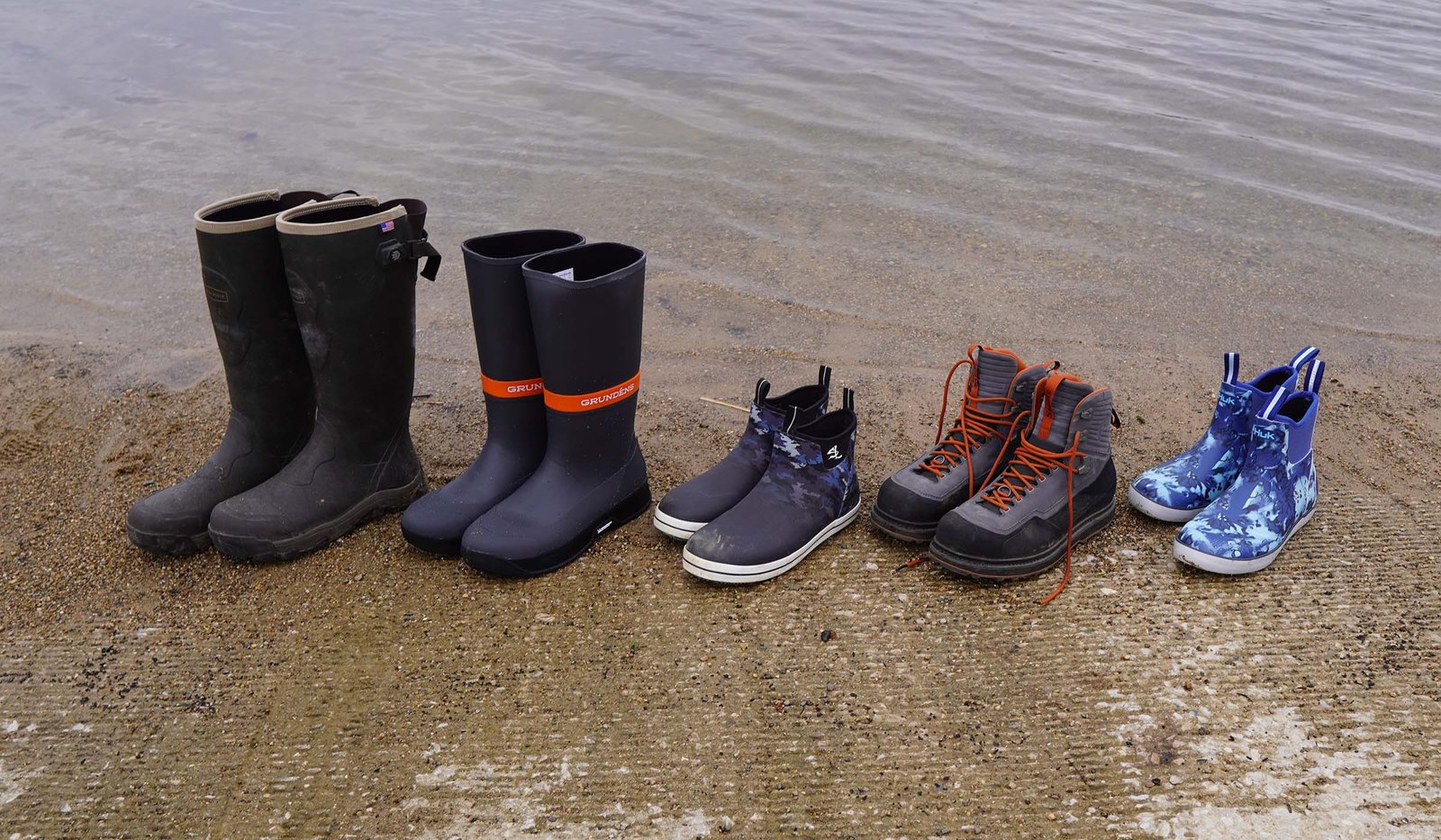
Introduction to Rain Boot Durability Testing
When it comes to rain boots, durability is a key factor to consider. Assessing the durability of rain boots ensures that you invest in high-quality footwear that will last through various weather conditions and keep your feet dry for years to come. Durability testing plays a crucial role in determining the longevity and performance of rain boots.
Rain boot durability testing involves subjecting the boots to various assessments that simulate real-life conditions and evaluate their resistance to wear and tear. These tests provide valuable insights into the strength and integrity of the boots, helping manufacturers and consumers make informed decisions.
By assessing the durability of rain boots, you can ensure that your footwear will withstand the challenges of daily use, such as walking on uneven surfaces, exposure to moisture, and potential contact with sharp objects. A durable rain boot not only offers reliable protection for your feet but also contributes to your overall comfort and satisfaction of use.
In the following sections, we will explore the specific testing methods employed to assess rain boot durability. Each test focuses on a different aspect, such as tread pattern, sole durability, compression resistance, puncture resistance, stretching resistance, adhesive strength, and waterproof capabilities. Together, these tests provide a comprehensive evaluation of rain boots and help both manufacturers and consumers make informed decisions.
So, let’s dive into the details of the top 8 durability testing methods used for rain boots and gain a deeper understanding of what sets apart high-quality rain footwear.
Tread Pattern Testing: Optimizing Traction and Slip-Resistance
The tread pattern is a crucial aspect of rain boots that significantly impacts their traction and slip-resistance capabilities. A well-designed tread pattern enhances grip on wet and slippery surfaces, ensuring stability and preventing accidents. To determine the effectiveness of tread patterns, rigorous testing methods are employed.
Importance of Tread Pattern in Rain Boots
The tread pattern refers to the arrangement of grooves, lugs, and channels on the sole of a rain boot. It plays a vital role in channeling water and providing traction. A robust and suitable tread pattern allows rain boots to maintain a firm grip on various surfaces, such as wet pavements, muddy trails, or slippery floors.
Testing Methods for Tread Pattern Effectiveness
Several methods are utilized to assess the efficiency of tread patterns in rain boots. These tests aim to evaluate the boot’s traction and slip-resistance under different conditions. Here are some commonly employed methods:
1. Wet Traction Testing: Rain boots are subjected to tests on wet surfaces, simulating real-life scenarios. The coefficient of friction between the boot’s sole and the wet surface is measured. This helps determine how effectively the tread pattern channels water away and maintains grip.
2. Slip-Resistance Testing: Rain boots are assessed for their slip-resistance using standardized tests. These tests involve walking on surfaces with controlled levels of slipperiness, and measuring the friction between the sole and the surface. This testing helps evaluate the ability of the tread pattern to prevent slips and falls.
3. Tread Wear Testing: Rain boots are subjected to simulated wear and tear conditions to evaluate the durability and performance of the tread pattern over time. This testing involves repetitive walking on abrasive surfaces to assess how well the tread pattern holds up and maintains its functionality.
4. Pattern Design Analysis: Experts analyze the design of the tread pattern to ensure it provides sufficient surface area contact and grip. They consider factors such as lug depth, lug placement, and groove shape to optimize traction and prevent hydroplaning.
By assessing rain boots through these testing methods, manufacturers can refine the tread pattern to provide optimal traction and slip-resistance.
Remember, a well-designed tread pattern not only boosts the functionality of rain boots but also enhances safety by reducing the risk of slips and falls. So, when purchasing rain boots, pay attention to the tread pattern and ensure it suits your intended use and environment.
Sole Durability Testing
Rain boot soles play a crucial role in providing traction, support, and protection against external elements. To ensure that rain boots can withstand daily wear and tear, manufacturers subject them to rigorous sole durability testing. These tests assess the materials used in the soles and their ability to withstand various conditions. A durable sole is essential for long-lasting rain boots that can withstand the elements and keep your feet dry.
Materials Used for Rain Boot Soles
Rain boot soles are typically made from rubber or other synthetic materials known for their durability and water resistance. The choice of sole material depends on various factors, including the intended use of the boots. Rubber soles are popular due to their excellent waterproof properties and flexibility, making them suitable for different environments.
In addition to rubber, manufacturers may incorporate other materials such as PVC or EVA (ethylene-vinyl acetate) in the sole construction. These materials provide additional properties, such as chemical resistance, cushioning, or lightweight design, depending on the specific needs of the wearer.
Durability Testing Methods
Manufacturers employ several testing methods to evaluate the durability of rain boot soles. These tests ensure that the soles can withstand the rigors of daily use and provide optimal performance. Here are some of the common durability testing methods for rain boot soles:
1. Abrasion Testing: This test assesses the resistance of the sole material to wear and tear caused by continuous friction. The soles are exposed to abrasive materials, such as sand or concrete, to simulate real-world conditions. The goal is to determine how well the sole withstands abrasion without compromising its integrity.
2. Flex Testing: This test measures the flexibility and bending resistance of rain boot soles. The soles undergo repeated bending movements to simulate walking or movement. The test helps identify any weaknesses in the sole’s design or material that may lead to cracking or splitting over time.
3. Slip Resistance Testing: Slip resistance is a crucial aspect of rain boot soles, as it ensures stability and traction on wet and slippery surfaces. Various tests, such as the dynamic coefficient of friction (DCOF) test, evaluate the sole’s ability to provide sufficient grip and prevent slipping accidents.
4. Chemical Resistance Testing: Rain boots may encounter various chemicals or substances in different environments. Chemical resistance testing ensures that the sole material can withstand exposure to chemicals without deteriorating or compromising its structural integrity.
Importance of a Durable Sole
A durable sole is vital for long-lasting rain boots. It enhances the overall performance and functionality of the boots while providing comfort and protection. Here’s why a durable sole is essential:
1. Enhanced Traction: A sturdy sole with an effective tread pattern improves traction, reducing the risk of slipping and falling in wet or slippery conditions.
2. Longevity: A well-designed and durable sole can withstand repeated use and resist excessive wear and tear, extending the lifespan of the rain boots.
3. Comfort: A supportive and durable sole helps improve overall foot comfort, ensuring a pleasant experience even during extended wear.
4. Protection: A durable sole adds an extra layer of protection, shielding your feet from sharp objects, rocks, and other hazards. It also helps cushion the impact on your feet while walking or standing for extended periods.
By subjecting rain boots to extensive sole durability testing, manufacturers can guarantee that their products meet quality standards and provide the necessary durability for long-term use.
Conclusion
The durability of rain boot soles is crucial for ensuring optimal performance, protection, and longevity. Through thorough testing of materials and rigorous evaluation, manufacturers strive to provide rain boots with durable soles that can withstand the demands of different environments. By choosing rain boots with strong and resilient soles, you can ensure that your footwear remains reliable and functional, keeping your feet supported and dry in wet conditions.
Compression Testing: Assessing Rain Boot Durability
Compression testing is a crucial method used to evaluate the durability of rain boots and their ability to withstand pressure while retaining their shape. This testing process provides valuable insights into the resistance and structural integrity of rain boots, ensuring they can withstand the wear and tear typically encountered during use.
During compression testing, rain boots are subjected to different levels of pressure, simulating the forces that the boots may experience while worn. The test involves compressing the boots under controlled conditions and measuring how well they recover their original shape once the pressure is released. This allows manufacturers to assess the material’s ability to withstand repeated compression cycles without permanent deformation or loss of functionality.
Poor compression resistance in rain boots can lead to various issues, compromising their durability and overall performance. Boots with inadequate compression resistance may flatten or lose their shape over time, reducing their ability to provide proper support and protection. This can result in discomfort, blisters, and foot fatigue for the wearer. Additionally, boots that fail to recover their shape after compression may also experience reduced waterproofing capabilities, increasing the risk of water leakage.
To ensure high-quality rain boots, manufacturers design boots that undergo rigorous compression testing. By evaluating the compression resistance of materials used in rain boots, manufacturers can identify strengths and weaknesses and make improvements accordingly. This testing process helps manufacturers determine the optimal combination of materials and design elements to create rain boots that can withstand the demands of everyday use.
When purchasing rain boots, it is essential to consider products that have undergone compression testing. By choosing boots with excellent compression resistance, you can ensure their longevity and durability. Look for boots made from materials known for their resilience, such as high-quality rubber or synthetic compounds specifically formulated for durability. Additionally, pay attention to features like reinforced toe caps and sturdy outsoles, as these elements contribute to improved compression resistance.
By selecting rain boots that have undergone compression testing, you can be confident in their ability to withstand the pressures of daily wear and maintain their shape over an extended period. Prioritizing compression resistance ensures you invest in rain boots that provide superior support, comfort, and protection against the elements.
Remember, when assessing rain boot durability, compression testing is a critical measure that offers valuable insights into a boot’s ability to withstand pressure and maintain its shape. By choosing boots that have undergone this rigorous testing, you can make an informed purchasing decision and enjoy the long-lasting performance and protection of high-quality rain footwear.
Conclusion
Choosing rain boots that have undergone comprehensive durability testing is essential to ensure you invest in a high-quality product that will protect your feet and keep them dry for years to come. By understanding the significance of different durability testing methods, such as tread pattern testing, sole durability testing, compression testing, puncture resistance testing, stretching testing, adhesive testing, and waterproof testing, you can make an informed decision when purchasing rain boots.
Next time you’re in the market for rain boots, remember to look for these essential features and consider the results of durability testing. Prioritizing high-quality materials, functional design elements, and thorough testing will help you select rain boots that provide optimal protection, comfort, and longevity. Don’t settle for subpar quality – invest in rain boots that can withstand the challenges of wet and unpredictable weather conditions.
Remember, durable rain boots are built to last, keeping your feet dry and protected during all your outdoor adventures. So, take the time to assess the durability of rain boots and choose the perfect pair that will serve you well for years to come.
FAQs
Q: How long do rain boots typically last?
A: The lifespan of rain boots can vary depending on various factors, including the frequency of use, the intensity of activity, and the quality of materials. However, with proper care and regular maintenance, high-quality rain boots can last anywhere from one to five years or even longer.
Q: Can rain boots be repaired if they get damaged?
A: Minor damages to rain boots, such as small tears or cracks, can often be repaired using specialized adhesives or patches designed for the specific material. However, severe damage or significant sole wear may warrant the need for replacement.
Q: Are all rain boots equally durable?
A: No, the durability of rain boots can vary greatly depending on factors such as the quality of materials used, construction techniques, and design features. It’s essential to consider durability testing results and choose rain boots from reputable brands known for their commitment to quality.
Q: What should I look for in terms of durability when buying rain boots?
A: When purchasing rain boots, consider features such as tread pattern, sole durability, compression resistance, puncture resistance, stretching resistance, adhesive strength, and waterproof capabilities. These factors collectively contribute to the overall durability and longevity of rain boots.
Puncture Resistance Testing
Puncture resistance is a crucial aspect of rain boots that ensures protection against sharp hazards. Rain boots need to withstand punctures from sharp objects and maintain their integrity to keep the wearer safe. In this section, we will explore the various methods used to evaluate the puncture resistance of rain boots and emphasize the importance of this feature.
Sharp Objects Testing
One of the commonly employed methods to assess puncture resistance in rain boots is the use of sharp objects. Manufacturers subject the boots to pointed objects, such as nails, needles, or industrial staples, to determine their ability to withstand piercing forces. These tests involve applying controlled pressure to the boots’ surfaces with the sharp objects, simulating real-life scenarios where potential hazards can cause punctures.
To meet industry standards, rain boots undergo rigorous sharp objects testing, ensuring that they can withstand a range of potential puncturing threats. This testing stage aims to identify any weak points in the boot’s construction and measure its resistance to penetration. Rain boot manufacturers strive to minimize the risk of punctures to protect the wearer’s feet from injury.
Impact Testing
Apart from sharp objects, rain boots are also subjected to impact testing to evaluate their puncture resistance. This method involves dropping heavy weights or using a pendulum to simulate forceful impacts on the boots. The testing apparatus measures the boots’ ability to withstand sudden and significant inbound forces without compromising their structural integrity.
By subjecting rain boots to impact testing, manufacturers can determine the boots’ durability and assess their ability to resist punctures during high-impact activities. This testing stage is particularly crucial for individuals who engage in outdoor activities or work in hazardous environments where the risk of sharp objects or heavy items falling on their feet is high.
Importance of Puncture Resistance
The importance of puncture resistance in rain boots cannot be overstated. Rain boots with high puncture resistance provide reliable protection against potential hazards, such as nails, glass shards, or sharp objects found in industrial or outdoor environments. By investing in rain boots with excellent puncture resistance, wearers can confidently navigate various terrains, including construction sites, warehouses, or outdoor trails, without compromising safety.
Furthermore, puncture resistance plays a vital role in extending the lifespan of rain boots. Boots that can withstand punctures tend to have improved longevity, as they are less likely to develop holes or tears that can compromise their overall functionality. By choosing puncture-resistant rain boots, users can be assured of a longer-lasting and reliable footwear option for years to come.
In conclusion, puncture resistance testing involves subjecting rain boots to sharp objects and impact testing to ensure their ability to withstand potential puncturing threats. This testing phase is essential to guarantee the wearer’s safety and extend the boots’ lifespan. By prioritizing puncture resistance when selecting rain boots, individuals can confidently navigate hazardous environments and enjoy long-lasting protection for their feet.
Stretching Testing: Assessing Rain Boot Durability
Stretching testing plays a crucial role in evaluating the durability of rain boots. This assessment involves subjecting rain boots to repeated stretching to determine their ability to withstand ongoing use and maintain their shape. By simulating the stretching forces that rain boots may experience during wear, manufacturers can ensure the boots can withstand the demands of everyday use and maintain their functionality over time.
Why is Stretching Testing Important?
Rain boots are often subjected to various degrees of stretching during use. Activities such as walking, bending, and flexing can put strain on the materials used in the construction of rain boots. Stretching testing helps manufacturers identify potential weaknesses in the materials and design, allowing them to address any issues before the boots are released to the market.
If rain boots lack adequate stretching resistance, they may lose their shape, stretch excessively, or even tear with prolonged use. Such a lack of durability can significantly reduce the lifespan of the boots and compromise their functionality. Additionally, poor stretching resistance can lead to discomfort and decreased performance while wearing the boots.
Methods for Stretching Testing
Manufacturers employ different methods to assess the stretching resistance of rain boots. One commonly used technique involves mounting the boots on specialized devices that apply controlled stretching forces. These devices replicate the movements and tensions the boots may experience during use. The boots are stretched repeatedly over a predetermined period to simulate real-world wear conditions and evaluate their response to prolonged stretching.
Another method involves using mechanical equipment to measure the tensile strength and elasticity of the rain boot materials. This helps determine how effectively the materials can recover their original shape after being stretched, ensuring the boots can withstand repeated use without losing their structural integrity.
Implications of Poor Stretching Resistance
Rain boots with poor stretching resistance can quickly lose their shape and become uncomfortable to wear. Excessive stretching may lead to the development of wrinkles, folds, or loose areas in the boot material, compromising its waterproof qualities. Additionally, boots that lack proper stretching resistance may not provide adequate support and stability for the feet and ankles, increasing the risk of discomfort and potential injuries.
Furthermore, poor stretching resistance can impact the overall lifespan of rain boots. Boots that cannot withstand repeated stretching may wear out more quickly and require replacement sooner than expected. This can be frustrating for consumers who seek durable and long-lasting footwear.
In conclusion, stretching testing is crucial for assessing the durability of rain boots. It helps manufacturers identify potential weaknesses in the materials and design, ensuring the boots can withstand the forces they encounter during use. By selecting rain boots with excellent stretching resistance, consumers can enjoy comfortable, functional, and long-lasting footwear that provides reliable protection against wet conditions.
Adhesive Testing: Ensuring Strong Bonding in Rain Boots
Adhesives play a crucial role in the durability and longevity of rain boots. The strength of the bond between various components, such as the upper material, sole, and midsole, determines the overall quality and performance of the boots. Adhesive testing is conducted to assess the efficacy of the bonding in rain boots and ensure that they can withstand the demanding conditions they are subjected to. Let’s explore the significance of strong adhesion in rain boots and the implications of weak bonding.
Importance of Strong Adhesion
When it comes to rain boots, strong adhesion is vital for several reasons. First and foremost, it ensures the integrity of the footwear. A robust bond between the upper material and the sole guarantees that the boots will hold up well under various environmental conditions.
Additionally, strong adhesion contributes to the overall comfort and functionality of rain boots. Proper bonding prevents the occurrence of gaps or loosening between different components, ensuring a secure and stable fit. This is particularly significant in avoiding discomfort or potential injuries during prolonged wear or rigorous activities, such as hiking or working in wet and slippery areas.
Testing Methods for Adhesive Durability
Rain boot manufacturers employ various testing methods to evaluate the durability of adhesives. These tests assess the adhesive’s strength, resistance to external factors, and ability to withstand long-term use. Here are some common methods:
1. Peel Test: This test involves applying force to separate the bonded layers and measuring the energy required to peel them apart. It helps determine the adhesive’s resistance to delamination, indicating its ability to withstand stress and strain.
2. Shear Test: In this test, a shear force is applied parallel to the bonded interface to evaluate the adhesive’s resistance to slippage. It measures the bond’s strength and stability under lateral stress, simulating real-life movements and deformations.
3. Durability Test: This test subjects the bonded boots to extreme temperature variations, exposure to water, and other environmental factors that they may encounter during regular use. It assesses the adhesive’s resistance to deterioration and ensures the boots maintain their structural integrity over time.
4. Aging Test: By subjecting the adhesively bonded rain boots to accelerated aging processes, such as exposure to UV rays or heat, manufacturers can simulate months or even years of wear. This test reveals how well the adhesive withstands long-term usage and environmental stressors.
Implications of Weak Adhesion
Weak adhesion in rain boots can lead to a range of issues, compromising their durability and performance. When the adhesive bond fails, it can result in separation of the upper material from the sole or midsole. This not only affects the boot’s structural integrity but also exposes the foot to moisture and potential discomfort.
Furthermore, weak adhesion may contribute to a shorter lifespan of the rain boots. When the bond breaks down prematurely, it can accelerate wear and tear, making the boots more prone to damage and reducing their overall durability.
It is important for consumers to be aware of these implications and prioritize rain boots that undergo rigorous adhesive testing to ensure strong bonding throughout the footwear.
In conclusion, adhesive testing is a crucial part of assessing the durability and performance of rain boots. Strong adhesion ensures the boots remain intact, comfortable, and functional in various conditions. Differential testing methods help determine the adhesive’s resistance to stress, strain, environmental factors, and long-term use. By understanding the significance of strong adhesion and the implications of weak bonding, consumers can make informed decisions and select rain boots that offer lasting quality and reliability.
Waterproof Testing: Keeping Feet Dry in Rain Boots
When it comes to rain boots, one of the essential features that buyers look for is their ability to keep feet dry even in the wettest conditions. This is where waterproof testing plays a crucial role. By subjecting rain boots to rigorous waterproofing tests, manufacturers ensure that their products provide the necessary protection against moisture and keep the wearer’s feet dry.
Water Immersion Testing
One of the primary methods used to test the waterproofing capabilities of rain boots is water immersion testing. During this process, the boots are fully submerged in water for a specified period. This test evaluates how well the boots prevent water from seeping through the material and reaching the wearer’s feet. Manufacturers set specific time limits for immersion testing, typically ranging from a few minutes to several hours, to simulate real-life scenarios such as walking through puddles or standing in rain.
Pressure Testing
In addition to water immersion, rain boots also undergo pressure testing to assess their resistance against water penetration under different levels of pressure. During this test, an external force is applied to the boots to simulate walking or stepping on wet surfaces. This test ensures that rain boots remain watertight even when subjected to pressure, providing reliable protection against water ingress.
Importance of Effective Waterproofing
Effective waterproofing in rain boots is essential for several reasons. First and foremost, it keeps feet dry, preventing discomfort and potential health issues that may arise from prolonged exposure to moisture. Moist environments can create a breeding ground for bacteria and fungi, leading to infections or unpleasant odors. Waterproof rain boots provide a barrier that helps maintain feet in a clean and hygienic condition, even amidst wet conditions.
Furthermore, effective waterproofing in rain boots contributes to their overall durability. When water seeps into the boots, it can cause damage to the materials, weaken the seams, and lead to premature deterioration. By passing stringent waterproof tests, rain boots demonstrate their ability to keep water out and stay durable over time.
In conclusion, waterproof testing is a vital part of evaluating rain boots’ performance and ensuring their ability to keep feet dry. Through water immersion and pressure testing, manufacturers can confirm the effectiveness of their boots’ waterproofing capabilities. Investing in rain boots that have undergone rigorous waterproof testing not only guarantees dry feet but also ensures the longevity and reliable performance of the footwear, making them a worthwhile choice for rainy days.
—
Keywords: waterproof testing, rain boots, water immersion testing, pressure testing, effective waterproofing, keep feet dry, durability, moisture protection, water ingress, footwear performance
Related Terms: buy rain boots, waterproof boots, cleaning rain boots, maintenance of rain boots, moisture protection, rain boot durability, boot care, waterproof testing, rain boot construction
 English
  German
  Italian