
Do you find yourself replacing your lightweight shoes more often than you’d like, only to see them wear out faster than expected? Imagine stepping out in your favorite pair, loving the comfort they offer, but then facing the disappointment of their short lifespan. If these scenarios strike a chord with you, fret not! Our comprehensive guide is here to the rescue.
As avid shoe enthusiasts ourselves, we understand the sheer frustration of saying goodbye to a beloved pair earlier than anticipated. That’s why we’ve compiled a list of practical, tried-and-tested tips to help you maximize the longevity of your lightweight shoes and ensure they go the extra mile – quite literally!
From debunking common misconceptions about shoe durability to unveiling the secrets of proper maintenance, our article covers everything you need to know to keep your footwear looking fresh and feeling comfortable for an extended period. Dive in to discover how a few simple adjustments can make a world of difference in the lifespan of your beloved lightweight shoes.
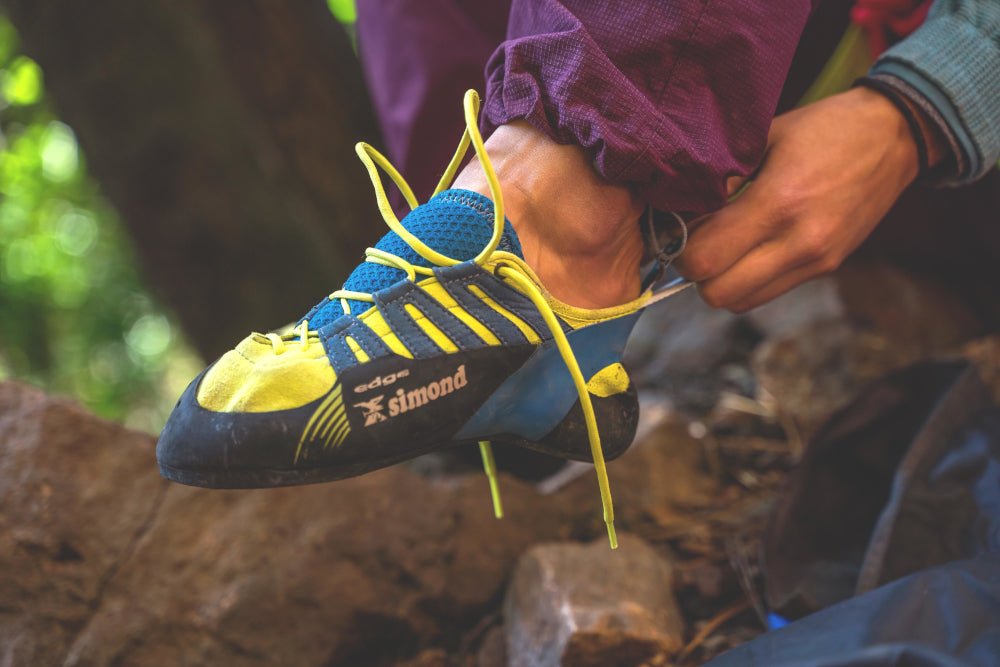
Introduction to Extending the Lifespan of Lightweight Shoes
Lightweight shoes have gained popularity among enthusiasts due to their comfort and flexibility. However, their durability can be a concern as they tend to wear out faster compared to other types of footwear. To make the most of your investment and enjoy long-term use, it’s essential to extend the lifespan of your lightweight shoes. By implementing a few simple strategies, you can maximize their durability and save money in the long run.
The importance of longevity and durability for lightweight shoes cannot be understated. Not only does it contribute to prolonged use, but it also ensures that your shoes continue to provide the necessary support and protection to your feet. This becomes particularly important for runners or individuals who wear lightweight shoes extensively.
In this article, we will explore proven methods and practical tips on how to extend the lifespan of lightweight shoes. From choosing the right shoes to proper maintenance and even resoling options, we’ll cover all aspects that can enhance the durability of your footwear. By following these guidelines, you can enjoy long-lasting lightweight shoes without compromising on comfort and performance. Let’s dive in and discover the secrets to prolonging the lifespan of your lightweight shoes.
Lightweight Shoes vs. Boots: A Comparison of Longevity
When it comes to choosing between lightweight shoes and boots, durability and lifespan are important factors to consider. Both options have their own advantages and disadvantages that can affect the longevity of the footwear. Let’s explore the pros and cons of each to help you make an informed decision.
Lightweight Shoes: Flexibility and Breathability
Lightweight shoes offer excellent flexibility and breathability, making them a popular choice among athletes and casual wearers alike. They are designed to provide optimal comfort and a natural range of motion, which is ideal for activities that require agility and speed. However, due to their lightweight construction, these shoes may not offer the same level of durability as heavier footwear options like boots. The materials used in lightweight shoes, although often durable, are not typically as robust as those used in boots. Therefore, their lifespan may be shorter, especially if subjected to intense or rough usage.
Boots: Sturdy and Resilient
Boots, on the other hand, are known for their sturdiness and resilience. These footwear options are designed to withstand challenging terrains, harsh weather conditions, and heavy-duty activities. With a focus on durability, boots are typically constructed with robust materials such as leather, reinforced stitching, and rugged outsoles. This makes them more resistant to wear and tear, offering a longer lifespan compared to lightweight shoes. Boots are particularly suitable for outdoor activities such as hiking, trekking, and work that demands extra durability and protection. However, it’s important to note that boots tend to be heavier and less flexible than lightweight shoes, which can impact overall comfort and mobility.
Making the Right Choice for Your Needs
When deciding between lightweight shoes and boots, consider the specific activities and environments in which you’ll be using them. If you prioritize flexibility, breathability, and lightweight comfort, then lightweight shoes are likely the better option. They are perfect for activities like running, gym workouts, and casual everyday wear. However, if durability, support, and protection are vital, especially for rugged terrains or intensive activities, then boots are the way to go. Keep in mind that proper maintenance and care also play a crucial role in extending the lifespan of any footwear, regardless of its initial durability. Regular cleaning, proper storage, and appropriate usage can help maximize the longevity of your chosen footwear.
In conclusion, lightweight shoes and boots have their own unique benefits and trade-offs when it comes to longevity. Consider your specific needs, activities, and preferences before making a decision. By choosing the right footwear and taking proper care of it, you can extend its lifespan and enjoy comfortable and reliable performance in the long run.
Understanding the Factors Influencing Shoe Lifespan
The lifespan of lightweight shoes is influenced by several key factors that determine how long they will last. By understanding these factors, you can take proactive steps to extend the durability and longevity of your favorite footwear. Here are the crucial elements that impact the lifespan of lightweight shoes:
1. Materials
The materials used in the construction of lightweight shoes play a vital role in determining their longevity. High-quality materials such as durable mesh, synthetic fabrics, and reinforced overlays can enhance the shoe’s ability to withstand wear and tear. Opting for shoes that utilize reinforced stitching and robust materials in high-impact areas, like the toe box and outsole, can significantly extend their lifespan.
2. Usage Patterns
The frequency and intensity of use contribute to the wear and tear experienced by lightweight shoes. If you regularly engage in high-impact activities like running or hiking, your shoes will naturally experience more stress and strain. It’s important to consider the intended purpose of your footwear and use them accordingly. Using dedicated running shoes for running and avoiding wearing them for everyday activities can help preserve their longevity.
3. Maintenance
Proper maintenance is crucial in extending the lifespan of lightweight shoes. Regular cleaning, both external and internal, can prevent the buildup of dirt, sweat, and bacteria that can degrade the materials over time. Allow your shoes to dry naturally after each use, away from direct heat sources, to prevent damage to the adhesives and cushioning. Additionally, using proper storage techniques, like keeping them in a cool, dry place, can further protect the shoes from deterioration.
4. Replacement of Insoles
The insole of a lightweight shoe can greatly impact its longevity. Over time, the cushioning and support provided by the insole may wear out, affecting both the comfort and performance of the shoe. Consider replacing the insole with a high-quality aftermarket option to restore the cushioning and extend the lifespan of your shoes.
5. Proper Fit and Sizing
Wearing shoes that fit correctly is vital for their longevity. Ill-fitting shoes can cause excessive friction and pressure on specific areas, leading to premature wear and tear. Ensure that you choose the right size and fit for your feet, allowing for adequate space and comfort. Regularly check the fit, especially if you notice any discomfort or changes in your feet.
By considering these factors and implementing proper care and maintenance techniques, you can greatly extend the lifespan of your lightweight shoes. Investing in high-quality materials, using your shoes appropriately, and regular upkeep will help you get the most out of your footwear while enjoying enhanced durability and long-term use.
Choosing the Right Lightweight Shoes for Longevity
When it comes to choosing lightweight shoes that will stand the test of time, there are a few key factors to consider. By selecting shoes built for longevity and durability, you can maximize their lifespan and get the most out of your investment. Here are some tips to help you make the right choice:
1. Material Matters
Opt for lightweight shoes made from high-quality materials. Look for options that use durable fabrics like nylon or polyester mesh, as they are more resistant to wear and tear. Additionally, shoes with reinforced toe caps and sturdy overlays provide extra protection and durability.
2. Check the Cushioning
Ensure that the lightweight shoes you choose have sufficient cushioning for your intended activities. Look for models with adequate shock absorption and responsive midsoles, as these features can help prevent premature breakdown and extend the shoe’s lifespan.
3. Consider the Outsole
The outsole is another crucial aspect to evaluate. Look for shoes with a durable, yet flexible, outsole made of rubber or other high-performance compounds. Shoes with a less aggressive tread pattern tend to last longer, especially if your activities involve mostly pavement or light trails.
4. Fit and Comfort
A proper fit is essential for both your performance and the longevity of the shoes. Make sure to try on different brands and styles to find the perfect fit for your foot shape. Shoes that are too tight or too loose can lead to premature wear and discomfort.
5. Research and Reviews
Before making a purchase, take the time to research different brands and models of lightweight shoes. Read reviews from reputable sources and consider the feedback of other users. This will provide insight into the durability and longevity of the shoes you are considering.
6. Price vs. Quality
While it can be tempting to opt for the cheapest lightweight shoes available, remember that investing in higher-quality footwear will likely result in longer-lasting shoes. Keep the balance between price and quality in mind, considering the expected lifespan and the warranty provided by the manufacturer.
By following these tips when selecting lightweight shoes, you can ensure that you choose options that are built for durability and longevity. Investing in high-quality footwear that meets your specific needs will not only save you money in the long run but also provide comfort and support throughout your activities.
Caring for Lightweight Shoes: Maintenance Tips
Proper maintenance is essential for extending the lifespan of your lightweight shoes and ensuring they continue to provide comfort and support. Follow these practical tips to care for your footwear and maximize their durability:
Regular Cleaning and Inspection
– Remove dirt and debris: After each use, gently brush off any dirt or mud from the shoes using a soft-bristled brush or cloth. This prevents particles from settling into the materials and causing damage.
– Spot cleaning: For minor stains, use a mild detergent or specialized shoe cleaner and a soft cloth to gently clean the affected areas. Avoid using harsh chemicals or abrasive cleaners that may deteriorate the shoe’s materials.
– Air-dry properly: Allow your shoes to air-dry naturally after cleaning. Avoid using direct heat sources like radiators or hair dryers, as excessive heat can cause shrinkage or damage to the shoe’s construction.
Proper Storage
– Remove insoles or inserts: Take out any removable insoles or inserts from your shoes to promote better airflow and prevent odor buildup.
– Shoe trees: Insert shoe trees or crumpled newspaper into your lightweight shoes to help maintain their shape and prevent them from developing creases.
– Keep away from extreme temperatures: Store your shoes in a cool, dry place, away from direct sunlight or extreme temperatures, as these conditions can degrade the shoe’s materials over time.
– Use a shoe bag: Preserve the shoes’ cleanliness and protect them from dust by storing them in a breathable shoe bag or a shoebox with ventilation.
Seasonal Considerations
– Waterproofing: Apply a waterproofing spray or treatment to your lightweight shoes, especially if they are made from materials like mesh or fabric that are prone to water absorption. This helps to protect the shoes from moisture damage in wet or snowy conditions.
– Rotation: Consider rotating between multiple pairs of lightweight shoes if you engage in regular physical activities. This gives each pair time to breathe and recover, preventing excessive wear and tear.
Sole Maintenance
– Inspect and replace worn-out soles: Regularly check the soles for signs of wear, such as worn treads or uneven surfaces. If the outsoles are significantly worn, consider getting them replaced by a professional shoemaker to extend the life of your shoes.
– Cushioning support: To maintain optimal cushioning and support, replace the shoe’s insoles if they become compressed or lose their shape over time.
By following these maintenance tips, you can significantly prolong the lifespan of your lightweight shoes and ensure they continue to provide comfort and performance for a longer duration. Remember, proper care and attention will keep your footwear in top condition, allowing you to enjoy many more miles with them.
Resoling Lightweight Shoes: A Cost-Effective Solution
When it comes to extending the lifespan of lightweight shoes, resoling is a cost-effective solution that can significantly prolong their usability. Resoling involves replacing the worn-out sole of a shoe with a new one, addressing one of the most common areas of deterioration. Let’s explore the process and the benefits of resoling lightweight shoes.
Why Resoling Matters
Over time, the outsole of your lightweight shoes may start to show signs of wear and tear. The tread pattern may wear down, the outsole may develop small cracks, or the cushioning might lose its effectiveness. Resoling helps restore the shoe’s grip, traction, and shock absorption, essentially giving it a new lease on life. By opting for resoling instead of buying a new pair, you can save money and reduce waste.
The Resoling Process
Resoling lightweight shoes typically involves the following steps:
1. Shoe Evaluation: Find a reputable shoe repair professional who will assess the condition of your shoes and determine if they are suitable for resoling. Certain shoes may not be suitable due to extensive damage or unique construction.
2. Sole Removal: The worn-out sole is carefully removed, making way for a new sole that will provide improved durability and traction.
3. Selecting the New Sole: Depending on the needs of the shoe and your preferences, you can choose from different materials and tread patterns for the new sole. Your shoe repair professional can offer guidance on selecting the most suitable option.
4. Sole Replacement: The new sole is expertly attached to the shoe using high-quality adhesives. The repair technician ensures a secure bond, ensuring the longevity and functionality of the shoe.
Benefits of Resoling
Resoling lightweight shoes comes with several benefits:
– Cost-Effective: Resoling is often cheaper than purchasing a brand-new pair of shoes, allowing you to save money and get more value out of your existing footwear.
– Environmentally Friendly: By resoling your shoes, you contribute to reducing waste and minimizing your environmental impact.
– Preserving Comfort and Fit: If you’ve found a pair of lightweight shoes that fit you perfectly and provide excellent comfort, resoling allows you to maintain the same level of support and cushioning you’re familiar with.
Remember, resoling is not possible for every type of shoe, and the extent of repair also depends on the shoe’s overall condition. It’s advisable to consult a professional shoe repair service to assess whether resoling is a viable option for your specific pair of shoes.
Signs Your Lightweight Shoes Need Replacement
Lightweight shoes are designed to provide comfort and flexibility, but even the most durable pairs will eventually show signs of wear and tear. Recognizing when it’s time to replace your lightweight shoes is crucial for maintaining optimal performance and foot health. Here are some indicators that suggest it’s time for a new pair:
1. Worn-out Sole
Inspect the outsole of your lightweight shoes. If you notice excessive wear patterns, thinning tread, or smooth spots, it’s a clear sign that the sole is no longer providing sufficient traction and support. Replace your shoes to avoid slips and falls and to ensure proper cushioning.
2. Decreased Cushioning
Over time, the cushioning in lightweight shoes can lose its effectiveness. If you start experiencing discomfort, pain, or fatigue in your feet, it may be due to reduced cushioning. When the midsole feels less responsive or has noticeable compression, it’s time to invest in a new pair for adequate shock absorption.
3. Visible Damage or Structural Issues
Inspect the upper part of your shoes for any visible damage, such as ripped or frayed materials, loose stitching, or broken overlays. These issues can lead to discomfort, blisters, or even injuries. Additionally, any noticeable changes in the shoe’s structure, such as misalignment or collapse, indicate that it’s time for a replacement.
4. Persistent Pain or Discomfort
If you consistently experience pain, discomfort, or soreness in your feet, ankles, knees, or lower back during or after wearing your lightweight shoes, it could be a sign that they no longer provide the necessary support or alignment for your unique biomechanics. Replacing them with a more suitable pair can alleviate these issues.
5. Excessive Mileage
Lightweight shoes, like any other footwear, have a limited lifespan in terms of mileage. If you’re an avid runner and have surpassed the recommended mileage rating provided by the manufacturer, it’s time to retire your shoes and invest in a new pair. Continuing to use worn-out shoes can lead to increased risk of injuries.
Remember, your lightweight shoes are only as effective as their condition allows. Monitoring the signs mentioned above will help you determine when it’s time to let go of your old pair and invest in new shoes that provide the necessary support, cushioning, and durability for your active lifestyle. Don’t compromise on the health of your feet and enjoy long-lasting lightweight shoes that enhance your performance and overall comfort.
Innovative Technologies for Improving Shoe Durability
The constantly evolving footwear industry is dedicated to finding innovative solutions to improve the durability of lightweight shoes. Manufacturers employ new technologies and approaches to enhance the lifespan of these popular footwear options. By incorporating advanced materials, design techniques, and manufacturing processes, they aim to provide customers with shoes that withstand the test of time. Here are some noteworthy developments in shoe durability:
1. Advanced Cushioning Technologies
Shoe manufacturers have introduced enhanced cushioning technologies that offer superior comfort without compromising on durability. Foam materials like EVA (ethylene-vinyl acetate) and polyurethane provide excellent shock absorption, reducing the impact on the shoe’s structural components and prolonging its lifespan. Brands like HOKA ONE ONE are known for their high-quality cushioning systems that ensure a smooth and supportive ride even after hundreds of miles.
2. Durable Upper Materials
Lightweight shoes often feature breathable and flexible uppers to enhance comfort during wear. However, advancements in textile engineering have led to the development of innovative materials that offer both durability and lightweight properties. Examples include engineered mesh, seamless knits, and reinforced synthetic overlays that provide protection against abrasion and increase the shoe’s overall lifespan.
3. Reinforced Outsoles
The outsole is the part of the shoe that comes in direct contact with the ground, making it susceptible to wear and tear. To address this, shoe manufacturers have introduced reinforced outsoles made from durable rubber compounds. These outsoles offer excellent traction, resist abrasion, and ensure long-lasting performance even on challenging terrains. Additionally, some brands incorporate innovative tread patterns and lug designs to improve grip and durability.
4. Seam-sealed Construction
Seam-sealed construction involves bonding the shoe’s upper materials together without visible stitching. This technique creates a more durable and waterproof barrier, preventing water penetration and enhancing the overall longevity of the shoe. Seam-sealed or waterproof constructions are particularly beneficial for lightweight shoes used in outdoor activities like hiking, trail running, and urban exploration.
5. Advanced Manufacturing Techniques
Shoe manufacturers are using state-of-the-art manufacturing techniques like 3D printing and digitally guided robotic assembly to optimize the durability of lightweight shoes. These technologies enable precise and consistent production, resulting in shoes with higher quality control standards. Additionally, they allow for the integration of specific reinforcements and structural features that enhance durability without compromising weight or flexibility.
By embracing these innovative technologies and approaches, shoe manufacturers are pushing the boundaries of lightweight shoe durability. These advancements ensure that lightweight shoes can meet the needs and demands of active individuals while offering long-lasting performance. Whether you’re an avid runner, a dedicated hiker, or simply seeking everyday comfort, investing in shoes that incorporate these advancements will optimize your footwear experience.
Remember: To make your lightweight shoes last even longer, it’s essential to follow proper care and maintenance practices, as outlined in the previous section.
FAQ: Frequently Asked Questions About Lightweight Shoe Longevity
As a knowledgeable reader, you might have several questions about the longevity and durability of lightweight shoes. In this section, we’ll address some of the most commonly asked questions to provide you with helpful insights and recommendations.
Q: How long do lightweight shoes typically last?
The lifespan of lightweight shoes can vary depending on various factors, including the quality of materials used, usage patterns, and maintenance. On average, lightweight shoes can last anywhere from 300 to 500 miles for running shoes, while casual or everyday lightweight shoes may last longer. However, it’s important to pay attention to signs of wear and tear and replace them when necessary.
Q: Can I resole lightweight shoes to extend their lifespan?
Yes, resoling lightweight shoes can be a cost-effective solution to prolong their lifespan. By replacing the worn-out sole, you can restore the traction and cushioning of the shoes. Look for reputable shoe repair services that specialize in resoling running shoes or lightweight footwear. However, keep in mind that not all lightweight shoe models are suitable for resoling, so it’s best to consult a professional.
Q: How do I know when my lightweight shoes need replacement?
There are several signs that indicate it’s time to replace your lightweight shoes. These include noticeable wear on the outsole, decreased cushioning and support, visible cracks or tears in the upper, and discomfort or pain during wear. If you’re unsure, a general rule of thumb is to replace lightweight shoes every 300 to 500 miles or when they no longer provide the necessary support and protection.
Q: How can I maximize the lifespan of my lightweight shoes?
To extend the lifespan of your lightweight shoes, it’s important to practice proper care and maintenance. Make sure to clean them regularly, following the manufacturer’s instructions, and avoid exposing them to extreme temperatures or harsh conditions. Additionally, consider rotating your shoes to allow them to fully dry and recover between uses. Using aftermarket insole inserts can also help maintain cushioning and support.
Q: Are there specific lightweight shoe models known for their durability?
While durability can vary between brands and models, there are lightweight shoes known for their longevity. Look for models with reinforced outsoles, durable upper materials, and additional features like rubber toe caps for added protection. Consumer reviews, shoe research studies, and recommendations from experienced runners or shoe enthusiasts can help guide you in finding durable lightweight shoe options.
Remember, taking proper care of your lightweight shoes and knowing when to replace them are key to ensuring their longevity. By investing time and effort in maintaining your footwear, you can enjoy the benefits of lightweight shoes for a longer period, saving money in the long run.
Conclusion: Enjoy Long-Lasting Lightweight Shoes
In conclusion, taking proper care of your lightweight shoes is essential for maximizing their lifespan and ensuring long-lasting comfort and performance. By following these tips and techniques, you can extend the longevity of your lightweight shoes and save money in the long run:
1. Clean and store your shoes properly: Regularly remove dirt and debris, and allow them to air dry completely before storing them in a cool, dry place.
2. Rotate your shoes: Avoid wearing the same pair of lightweight shoes every day. Rotate between different pairs to minimize wear and tear.
3. Use shoe trees or paper: Inserting shoe trees or crumpled paper inside your shoes helps maintain their shape and prevents excessive creasing.
4. Avoid extreme conditions: Limit exposure to excessive heat, cold, or moisture, as these conditions can accelerate the wear and tear of your shoes.
5. Replace worn-out insoles: If your shoe’s insoles start to lose their cushioning or support, consider replacing them to maintain optimal comfort and performance.
6. Consider resoling: When the outsoles of your lightweight shoes are worn down, resoling can be a cost-effective option to extend their lifespan.
Remember, investing in high-quality lightweight shoes and giving them proper care and maintenance will not only prolong their lifespan but also enhance your running or walking experience. Enjoy long-lasting lightweight shoes and keep stepping comfortably towards your fitness goals.
 English
  German
  Italian